I’m tired of seeing “gourmet” recipes that treat a simple protein like a high-stakes engineering project. You don’t need a sous-vide machine, a thermometer that costs eighty dollars, or a twenty-step marinade just to figure out how to cook chicken breast without turning it into a piece of dry, flavorless drywall. Most of the advice out there is designed to make cooking feel like a chore, adding layers of unnecessary complexity that eat up the very time we’re trying to save. It’s exhausting, and frankly, it’s a waste of a good meal.
I’m not here to give you a lecture on culinary theory; I’m here to give you a system that actually works. My goal is to strip away the kitchen noise and give you a repeatable, fail-proof method that ensures juicy meat every single time. I’ll show you how to master the heat and the timing so you can stop wrestling with your dinner and get back to your actual life. No fluff, no expensive gadgets—just efficient, delicious results.
Table of Contents
The Secret to Preventing Dry Chicken Every Single Time
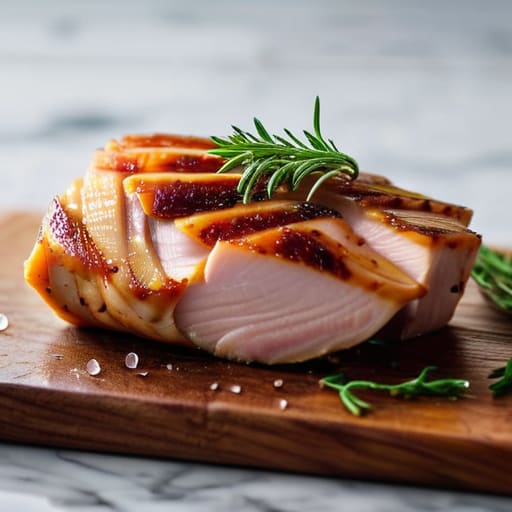
The real reason most people end up with a plate of sawdust isn’t a lack of skill; it’s a lack of a system. We’ve all been there—you follow a recipe, wait patiently, and then take a bite only to realize you’ve essentially eaten a sponge. If you want to stop the cycle of disappointment, you need to focus on one thing: moisture retention. For me, the game-changer was brining chicken breast in a simple salt-water solution before it even touches the heat. It sounds like an extra step, but it’s a small, repeatable process that builds a buffer against overcooking.
Once you’ve prepped the meat, stop guessing based on how it looks. You can’t see the moisture levels through the surface. I always keep my digital thermometer handy—it’s my most vital tool in the kitchen, much like my precision screwdriver is for my keyboards. The only way to truly master preventing dry chicken is to pull it off the heat the second it hits the target. Don’t wait for it to “look done.” Trust the numbers, let it rest, and reclaim your dinner.
Brining Chicken Breast Your Shortcut to Maximum Flavor
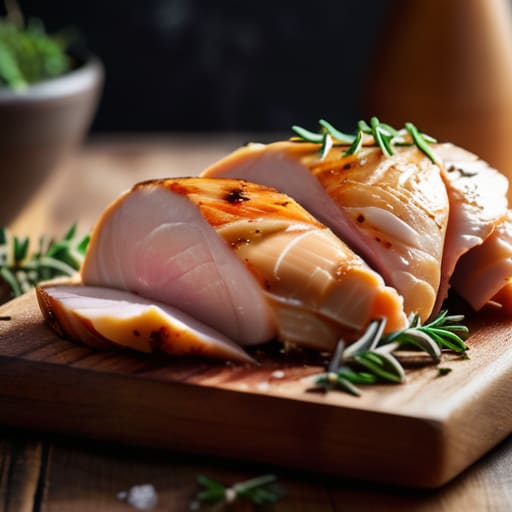
If you’re like me and usually rushing from a meeting straight into the kitchen, you probably view a brine as just one more thing to manage. But here’s the reality: brining chicken breast is the ultimate insurance policy against a mediocre meal. By soaking the meat in a simple salt-water solution for even just thirty minutes, you’re fundamentally changing its structure. The salt allows the muscle fibers to hold onto moisture, meaning that even if you slightly overshoot the target, the meat stays juicy rather than turning into something resembling a sponge.
I don’t do anything fancy with my brines—just water, kosher salt, and maybe a handful of peppercorns or a smashed garlic clove. Once you’ve pulled the chicken from the liquid, pat it completely dry with paper towels; this is non-negotiable if you want a good crust during pan searing chicken breast. It’s a small, repeatable system that removes the guesswork. You stop worrying about whether you’ve ruined the protein and start focusing on the actual flavor. It turns a frantic weekday dinner into something that feels intentional and well-executed.
Five No-Nonsense Rules for Better Chicken
- Stop guessing with your timing; buy a cheap digital instant-read thermometer and pull the meat at 160°F. It’ll carry over to 165°F while resting, ensuring it stays juicy instead of turning into rubber.
- Level the playing out. Chicken breasts are uneven, with thick ends and thin tails. Use your kitchen shears or a heavy pan to pound the thick part down so the whole piece cooks at the same rate.
- Dry the surface completely before it hits the pan. If the skin or surface is damp, you’re steaming the meat instead of searing it, and you’ll never get that golden-brown crust.
- Let it rest. I know you’re hungry, but if you cut into that chicken the second it leaves the heat, all those juices will run all over your plate. Give it five minutes of peace on a cutting board.
- Don’t crowd the pan. If you throw four breasts into a small skillet at once, you’ll drop the temperature too fast and end up with a gray, sad mess. Cook in batches if you have to.
The Bottom Line for a Better Dinner
Stop guessing with the heat; use a meat thermometer to pull the chicken off the pan the second it hits 165°F (74°C) so you aren’t eating cardboard.
Don’t skip the brine if you have ten extra minutes—it’s the simplest way to build a moisture buffer that survives the pan.
Keep your tools simple and your process repeatable; once you master the sear and the temperature, you stop worrying about the stove and start enjoying the meal.
The Efficiency of Flavor
“Cooking a chicken breast shouldn’t be a high-stakes gamble; it’s just a simple system of heat and timing that, once mastered, buys you back your evening.”
Liam Anders Chen
Stop Overthinking Your Dinner
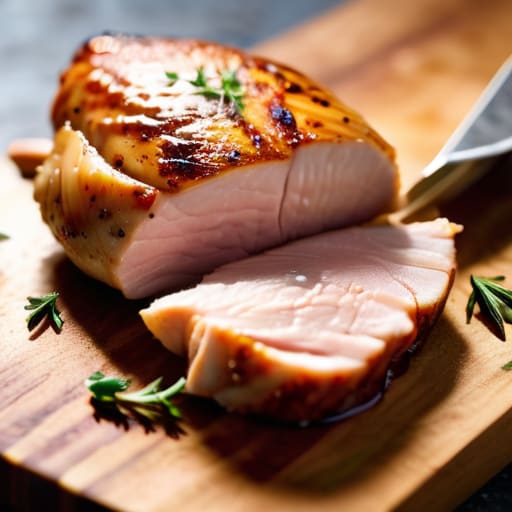
At the end of the day, cooking the perfect chicken breast isn’t about mastering complex culinary techniques or owning a kitchen full of expensive gadgets. It’s about understanding a few basic principles: control your heat, don’t skip the brine, and always let the meat rest before you slice into it. Once you stop treating every meal like a high-stakes science experiment and start relying on these small, repeatable systems, the kitchen becomes a place of efficiency rather than a source of stress. You’ve got the tools and the method; now you just need to execute the plan.
My goal has always been to strip away the unnecessary noise so we can get back to what actually matters. Life is far too chaotic to spend your limited evening hours wrestling with dry, uninspired protein. By mastering this one simple staple, you aren’t just making a better dinner—you’re reclaiming your time and your mental clarity. Stop letting a mediocre meal dictate the quality of your night. Get in the kitchen, cook the damn chicken, and then get back to living your life.
Frequently Asked Questions
Can I still get good results if I don't have time for a brine?
Look, I get it. Some days the schedule is already redlining and the last thing you need is a thirty-minute soak in salt water. You can absolutely still win here. If you’re skipping the brine, just lean harder on the sear. Get that pan ripping hot, use a high-smoke-point oil, and don’t walk away. It’s about building a crust quickly to lock in what moisture you have left. Speed doesn’t have to mean sacrifice.
What’s the quickest way to check if it's done without a thermometer?
Look, I get it. You’re hungry, and you don’t want to dig through a drawer for a thermometer. The quickest way is the “touch test.” Press the center of the breast with your finger. If it feels soft and squishy, it’s still raw. If it feels firm and bouncy—similar to the resistance of your fingertip when you press against your nose—it’s done. Just don’t wait until it’s hard like a rock, or you’ve gone too far.
Should I be using oil or butter in the pan to prevent sticking?
Go with oil. If you’re looking for efficiency and a clean pan, oil is your best friend. It has a higher smoke point, meaning it won’t burn and turn bitter while you’re trying to get that perfect golden crust. Save the butter for the very end—toss a knob in during the last minute of cooking for flavor, but don’t rely on it to prevent sticking. Stick to oil for the heavy lifting.