I remember sitting on my floor three years ago, surrounded by half-disassembled mechanical keyboards and a mountain of cables that seemed to have a life of their own. I had spent the entire weekend “organizing,” yet I felt more overwhelmed than when I started. That was the moment I realized that most productivity advice is just a distraction—a way to feel busy without actually solving the problem. If you’re looking for a magic pill or a series of expensive, aesthetic storage bins to solve your chaos, you’re looking in the wrong place. The truth about how to reduce clutter for good isn’t about buying more containers; it’s about stripping away the excess until only the essential remains.
I’m not here to sell you a lifestyle or a complicated filing system that takes three hours to maintain. I want to give you a set of repeatable, systems-based tactics that actually stick. My goal is to help you stop fighting your stuff and start reclaiming your mental clarity. We are going to focus on functional minimalism—the kind that works in a real, messy, high-paced life. I’ll show you how to build a home that supports your focus rather than draining your energy.
Table of Contents
Mastering Decluttering Psychology to Break the Cycle

The reason most of us fail isn’t a lack of storage bins or fancy labels; it’s because we’re treating the symptoms rather than the disease. We buy a new organizer to hide the mess, but that’s just moving the chaos around. To actually make a change, you need to focus on decluttering psychology. You have to confront the “just in case” fallacy—that irrational belief that a piece of junk you haven’t touched in three years will suddenly become vital tomorrow. When you realize that your stuff is actually a tax on your mental energy, the decision to let go becomes much easier.
True progress requires fundamental decluttering mindset shifts. Instead of asking, “Can I use this?” try asking, “Does this serve my current life?” I used to hoard old tech components and half-finished projects, thinking I was being “prepared.” In reality, I was just creating friction in my daily routine. Once I started applying minimalist living principles to my own headspace, I realized that clutter is often just physical manifestations of indecision. Stop letting your possessions dictate your environment and start reclaiming your space.
Essential Decluttering Mindset Shifts for Lasting Freedom
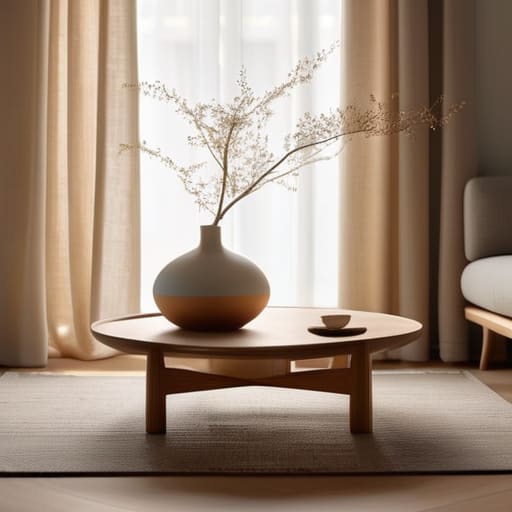
Most people approach cleaning like a sprint—a frantic weekend of tossing junk into trash bags only to find their counters buried again by Tuesday. That’s because they’re treating the symptom, not the cause. To actually make this stick, you need to adopt a few fundamental decluttering mindset shifts. Stop viewing your belongings as “potential” or “just in case” items and start seeing them as occupants of your mental space. Every object you own demands a tiny slice of your attention, whether it’s cleaning it, moving it, or simply looking at it.
Instead of trying to overhaul your entire existence overnight, lean into minimalist living principles by focusing on utility. If a tool or a gadget hasn’t served a functional purpose in your system for six months, it’s likely just dead weight. I’ve found that once you stop treating “stuff” as a safety net and start treating it as a distraction, the process becomes much easier. You aren’t just getting rid of things; you are reclaiming your environment so it actually works for you, rather than against you.
Five Systems to Keep the Chaos at Bay
- Stop the “just in case” hoarding. If you haven’t touched an item in twelve months, it’s not a tool; it’s just weight. Be ruthless with your inventory.
- Implement a “one in, one out” rule for every new acquisition. If a new gadget or shirt enters your space, an old one has to leave. This keeps your baseline stable.
- Create dedicated “homes” for everything. If an object doesn’t have a specific, logical place to live, it will inevitably become clutter on your counter or desk.
- Use the “Two-Minute Rule” for immediate resets. If tidying an item takes less than two minutes—like putting a screwdriver back in its kit or filing a receipt—do it right then. Don’t let small tasks snowball.
- Build a “transition zone” near your entrance. A small tray for keys, mail, and wallets prevents the daily migration of small items into the middle of your living space.
The Bottom Line: Systems Over Sweeps
Stop treating decluttering like a one-time spring cleaning event; it’s a maintenance task, just like oiling a machine or updating software.
Focus on the “cost of carry”—if an item takes up mental bandwidth or physical space without providing clear utility, it’s a system failure that needs fixing.
Build small, repeatable rules for new items to enter your space so you stop fighting the same mess every single month.
The Core Principle
“Clutter isn’t just physical mess; it’s a series of unresolved decisions that drain your mental battery. Stop trying to organize your chaos and start deciding what actually deserves a place in your life.”
Liam Anders Chen
The Path Forward

At the end of the day, reducing clutter isn’t about achieving some sterile, museum-like perfection that looks good on Instagram but feels impossible to maintain. It’s about the systems we discussed: understanding the psychology behind why we hold onto things, shifting our mindset from accumulation to utility, and finally, taking the physical steps to clear the decks. When you stop treating decluttering as a one-time spring cleaning event and start seeing it as a continuous process of curation, you stop fighting your environment. You’re not just moving boxes around; you are reclaiming your mental bandwidth from the physical weight of unnecessary things.
I know it feels overwhelming when you’re staring at a mountain of stuff, but remember that you don’t need to fix everything by tonight. Start small—maybe it’s just one drawer or that one junk corner that’s been bugging you for months. Use that precision screwdriver mentality: take it apart, see what’s actually functional, and discard the rest. The goal isn’t to own nothing; it’s to ensure that everything you own serves a purpose or brings you genuine value. Strip away the noise, clear your space, and get back to actually living your life.
Frequently Asked Questions
How do I deal with sentimental items that feel impossible to part with without feeling guilty?
Look, I get it. I have a drawer full of old mechanical parts that mean nothing functionally but everything emotionally. The trick is to decouple the memory from the physical object. You aren’t throwing away the moment; you’re just changing how you store it. Take a high-quality photo of the item, or write down the specific story behind it in that notebook I’m always carrying. Once the memory is documented, the physical weight becomes much easier to let go.
Once I finally clear a space, what practical systems can I put in place to make sure the clutter doesn't just crawl back in a month?
The biggest mistake people make is treating decluttering like a one-time event rather than a maintenance task. To stop the creep, you need friction-less systems. First, implement a “One In, One Out” rule—if a new gadget enters your space, an old one leaves. Second, use the “Touch It Once” principle: don’t set the mail down on the counter; sort it immediately. Build small, repeatable habits so organization becomes your default setting, not a chore.
Should I try to tackle the whole house at once, or is it better to focus on one small, manageable area first?
Don’t even think about tackling the whole house at once. That’s a recipe for burnout and a half-finished mess sitting in your living room for three weeks. I’ve seen it happen too many times. Instead, pick one small, contained zone—a single drawer, a bookshelf, or even just your desktop. Win that small battle first. It builds the momentum you need to keep going without the mental overwhelm. Small wins create lasting systems.