I used to think that “meal prepping” meant spending my entire Sunday afternoon in a flour-dusted kitchen, surrounded by twenty identical plastic containers and enough Tupperware to supply a small army. It was exhausting, inefficient, and—frankly—a complete waste of my limited downtime. Most of the advice you see online about make ahead meals feels like it was written for people who have nothing better to do than play chef for five hours straight. I don’t have that kind of time, and neither do you. We need systems that actually work with a high-speed life, not complex hobbies that masquerade as productivity hacks.
I’m not here to sell you on a lifestyle overhaul or a Pinterest-perfect pantry. Instead, I’m going to show you how to build a functional food system that keeps you fed without draining your mental battery. I’ll be sharing the exact, streamlined methods I use to prep high-quality food in small, manageable batches that fit into a real schedule. My goal is simple: to help you reclaim your evenings so you can stop managing your kitchen and start actually enjoying your life.
Table of Contents
Mastering Weekly Meal Planning Strategies Without the Mental Load
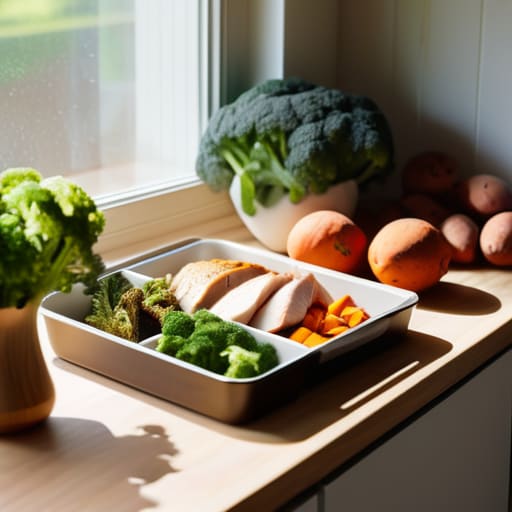
The biggest mistake I see people make is treating meal planning like a second job. If your “system” requires three hours of intense focus and a grocery list longer than a CVS receipt, you’re going to abandon it by Wednesday. Real weekly meal planning strategies aren’t about culinary perfection; they’re about reducing decision fatigue. I don’t aim for gourmet; I aim for predictability. Pick three core proteins and two versatile grains, then rotate them. It keeps the mental load low because you aren’t staring at a pantry full of ingredients wondering what to do with them.
Once you have the blueprint, you need the right hardware. I’ve learned the hard way that cheap plastic bins are a waste of money—they leak, they warp, and they make your fridge look like a disaster zone. Invest in high-quality meal prep containers for freezing that actually stack neatly. When everything is modular and visible, you stop hunting for food and start eating it. This isn’t about being a chef; it’s about building a functional system that serves your schedule, not the other way around.
Time Saving Kitchen Hacks to Reclaim Your Evenings
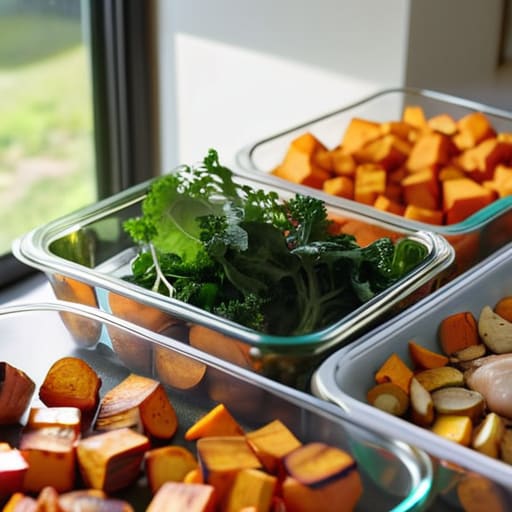
If you’re still chopping onions every single night after a ten-hour workday, you’re doing it wrong. One of my favorite time saving kitchen hacks is the “component method.” Instead of cooking full, complex recipes, I spend an hour on Sunday prepping individual building blocks: a big batch of roasted sweet potatoes, a tray of seasoned chicken, and a massive bowl of washed greens. When Tuesday rolls around and I’m exhausted, I’m not “cooking”—I’m just assembling. It turns a thirty-minute chore into a five-minute task.
Efficiency also means investing in the right hardware. I used to use random plastic tubs I found in the back of the pantry, but they leak and make everything taste like old leftovers. Now, I swear by high-quality meal prep containers for freezing. They stack perfectly in the freezer, which keeps my kitchen clutter-free and ensures my food stays fresh without the dreaded freezer burn. If your gear works with your system rather than against it, you’ve already won half the battle.
Five Systems to Keep Your Kitchen from Eating Your Life
- Build a “Modular” Menu instead of fixed recipes. Don’t cook a specific dish; cook components. Roast a tray of chicken, boil a pot of grains, and chop a mountain of versatile veggies. When Tuesday hits and you’re exhausted, you aren’t “making a meal”—you’re just assembling parts. It’s much harder to fail at assembly than it is at cooking.
- Invest in a uniform container system. I can’t stress this enough. Get rid of the mismatched plastic tubs your parents gave you. Buy a single brand of glass, stackable containers. When everything fits perfectly in your fridge, you can actually see what you have. If you can’t see it, you’ll forget it, and you’ll end up ordering takeout anyway.
- Use the “Double-Batch” Rule for everything. If you’re already pulling out the heavy pots to make chili or a sauce, make twice as much as you need. It takes almost zero extra effort to let a second portion cool and slide into the freezer. You’re essentially “banking” time for a future version of yourself who is too tired to function.
- Stop prepping everything on Sunday. The “marathon prep” is a trap that leaves you feeling like a chef for one day and a slave to the kitchen for the rest of the week. Instead, do “micro-preps.” Chop your onions while you’re making dinner tonight. Clean your workspace as you go. Small, repeatable habits beat one massive, exhausting ritual every time.
- Label everything with a Sharpie and a date. There is nothing more frustrating than digging through the freezer only to find a mystery block of something that might be beef or might be a frozen lasagna from 2022. Write what it is and when it went in. It takes five seconds, but it saves you the mental energy of playing “kitchen detective.”
The Bottom Line: Systems Over Spontaneity
Stop treating meal prep like a marathon; aim for small, repeatable wins that keep your fridge stocked without draining your entire Sunday.
Focus on modular components—grains, proteins, and roasted veggies—rather than rigid recipes to give yourself flexibility during a chaotic week.
Invest in your tools and containers early; a streamlined kitchen setup is the difference between a smooth workflow and a cluttered mess.
The Real Goal of Meal Prep
“Meal prepping isn’t about becoming a gourmet chef on a Sunday afternoon; it’s about building a system that protects your sanity on a Tuesday night when you’re too exhausted to even think about what’s for dinner.”
Liam Anders Chen
The End of Kitchen Chaos
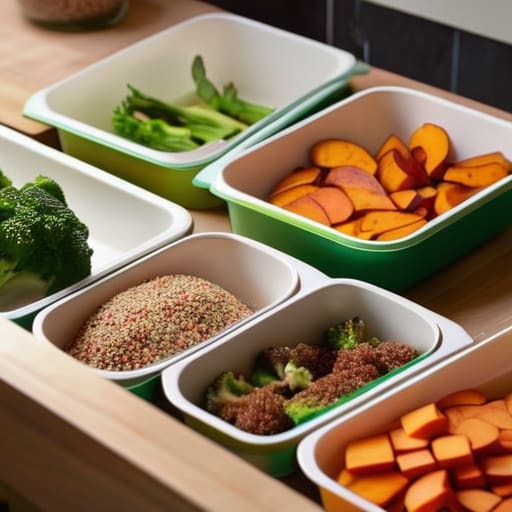
At the end of the day, meal prepping isn’t about becoming a gourmet chef or spending your entire Sunday in a flour-covered kitchen. It’s about the systems we discussed: building a repeatable plan, leveraging smart kitchen hacks, and stripping away the decision fatigue that kills your evening productivity. Whether you’re batch-cooking grains or mastering the art of the “assembly-only” meal, the goal is the same: to ensure that when you finally walk through your front door after a long shift, you aren’t met with a mountain of chores and a sink full of dishes. You’ve built a functional system that works for you, not against you.
I know it feels like just another thing to add to your to-do list right now, but I promise you, the ROI on this effort is massive. Every minute you spend organizing your ingredients today is a minute you get to reclaim tomorrow. Stop letting your kitchen dictate your schedule and start using these tools to take back your time. Life is far too short to spend it staring blankly into a fridge, wondering what to eat. Get your systems in place, clear the mental clutter, and go actually live your life.
Frequently Asked Questions
How do I keep these meals from tasting like cardboard by Thursday?
The “cardboard” effect usually comes from two things: moisture loss and over-relying on the microwave. If you’re just nuking everything on high, you’re basically steaming the life out of your food.
Is it actually worth the upfront time investment, or am I just creating more dishes to wash later?
Look, I get it. The thought of spending three hours on a Sunday scrubbing pots feels like a bad trade. But here’s the math: you aren’t just making dishes; you’re buying back your Tuesday nights. Yes, there’s a heavy lift upfront, but you’re trading a single, controlled burst of chaos for five nights of calm. If you batch your prep and use one-pot methods, the “dish debt” is negligible compared to the mental clarity you gain.
What's the best way to store everything so I'm not constantly playing Tetris with my fridge space?
Stop fighting your fridge and start treating it like a modular system. The secret isn’t just tidying; it’s standardization. Invest in a set of uniform, clear glass containers. When everything is the same shape and stackable, you eliminate the “Tetris” effect entirely. Use the top shelves for prepared meals and the lower ones for raw ingredients. If it doesn’t stack, it doesn’t belong in the main zone. Clear sightlines prevent waste and mental clutter.