I used to think that a “bedroom refresh” meant spending an entire weekend—and a significant chunk of my paycheck—scouring Pinterest for overpriced linen sets and trendy, mid-century modern accent chairs that look great in photos but offer zero utility. I was wrong. Most of the advice you see online is just clutter disguised as “decor,” and frankly, it’s exhausting. If your current space feels heavy or chaotic, you don’t need more stuff; you need better systems. Real bedroom refresh ideas shouldn’t be about adding layers of aesthetic noise; they should be about stripping away the friction that keeps you from actually unwinding at the end of a long day.
Here is my promise to you: no fluff, no expensive impulse buys, and absolutely no filler. I’m going to walk you through a series of high-impact, functional adjustments designed to optimize your environment for actual rest. We’re going to focus on layout, light, and organization—the mechanical bones of a good room. By the end of this, you won’t just have a room that looks better; you’ll have a space that functions as a system for recovery, allowing you to reclaim your mental clarity the moment you step through the door.
Table of Contents
Mastering Small Bedroom Decor Tips for Maximum Flow
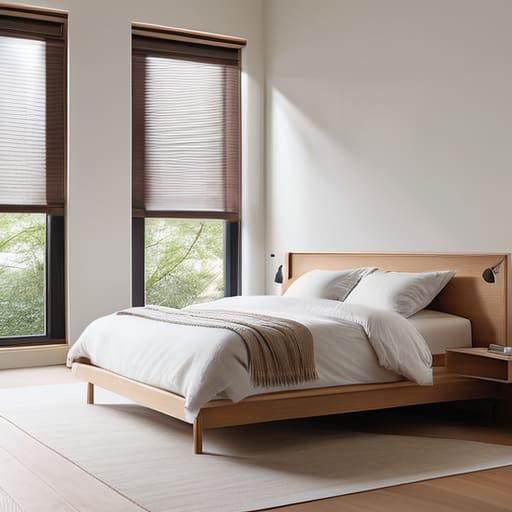
When you’re working with limited square footage, every object needs to earn its place. I’ve learned through my engineering background that efficiency isn’t just about space; it’s about how you move through it. To achieve a modern bedroom aesthetic without the clutter, stop thinking about adding “stuff” and start thinking about visual weight. Heavy, dark furniture acts like a roadblock in a small room. Instead, opt for pieces with slim profiles or legs that allow light to pass underneath. This creates an illusion of more floor space, making the room feel less like a storage unit and more like a sanctuary.
If you’re looking for budget friendly bedroom styling, look toward your textures rather than expensive renovations. Swapping out a heavy, synthetic comforter for high-quality linen or cotton can instantly change the room’s energy. I always suggest focusing on bedding and textile updates as your primary lever for change; a cohesive color story in your pillows and throws can unify the space without requiring a single new piece of furniture. It’s about creating a system where everything works together, rather than competing for your attention.
Modern Bedroom Aesthetic Without the Clutter
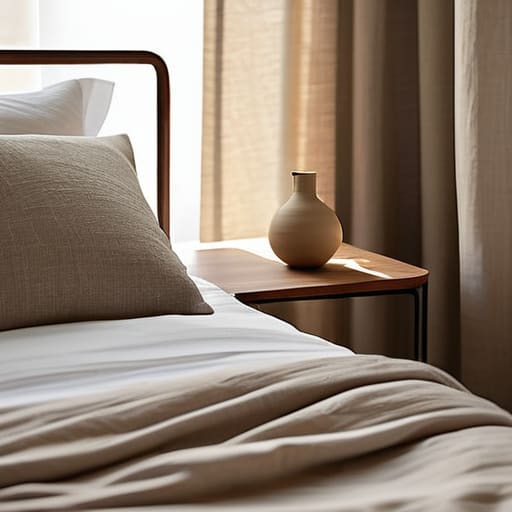
When I first moved into my city apartment, I thought a “modern bedroom aesthetic” meant buying a bunch of sleek, expensive furniture. I was wrong. I quickly learned that true minimalism isn’t about what you add; it’s about what you refuse to let clutter your space. To get that clean, intentional look, you need to stop collecting “stuff” and start selecting functional pieces that serve a purpose. If an object doesn’t help you rest or keep your space organized, it doesn’t belong on your nightstand.
Instead of a total overhaul, I recommend focusing on bedding and textile updates to shift the mood. Swapping out a loud, patterned comforter for high-quality linen in a neutral tone can instantly ground the room. Pair this with a cohesive bedroom color palette inspiration—think muted greys, soft sands, or deep navy—to create a sense of visual quiet. By limiting the number of textures and colors you’re working with, you reduce the cognitive load on your brain the moment you walk through the door. It’s about creating a sanctuary, not a showroom.
Five Systems to Streamline Your Sanctuary
- Audit your nightstand. If you haven’t touched that stack of half-read paperbacks or that tangled charging cable in a week, move them. A clear surface isn’t just about looks; it’s about reducing the visual noise that keeps your brain stuck in “task mode” when you’re trying to wind down.
- Standardize your lighting. Ditch the harsh overhead light for a two-tier system: a functional lamp for reading and a dimmable warm light for evening ambiance. It’s a simple mechanical shift that signals to your nervous system that the workday is officially over.
- Implement a “one-in, one-out” rule for textiles. If you bring in a new heavy duvet or a decorative throw, something else has to go. Too many layers of fabric create physical and mental friction; keep your bedding functional and easy to reset every morning.
- Optimize your closet access. If you’re struggling to find clothes in the morning, your system is broken. Group your essentials by type and color, and ensure you have enough physical space between hangers so you aren’t wrestling with your wardrobe before your first cup of coffee.
- Hide the tech. I know it’s tempting to keep everything within reach, but a phone charger or a laptop sitting on your dresser is a constant tether to the chaos of the outside world. Use a dedicated docking station or a closed drawer to keep your digital life out of sight during sleep hours.
The Bottom Line: Systems Over Style
Focus on functionality first; if a piece of decor doesn’t serve a purpose or provide genuine calm, it’s just more noise you don’t need.
Use vertical space and smart storage to keep your surfaces clear, because a cluttered nightstand is a direct hit to your mental clarity.
Aim for a repeatable setup—choose a minimalist aesthetic that is easy to maintain so you spend less time cleaning and more time actually resting.
The Philosophy of Space
A bedroom shouldn’t be a storage unit for the things you’re too busy to deal with; it should be a functional system designed to help you shut down and reset.
Liam Anders Chen
Final Thoughts on Your Space
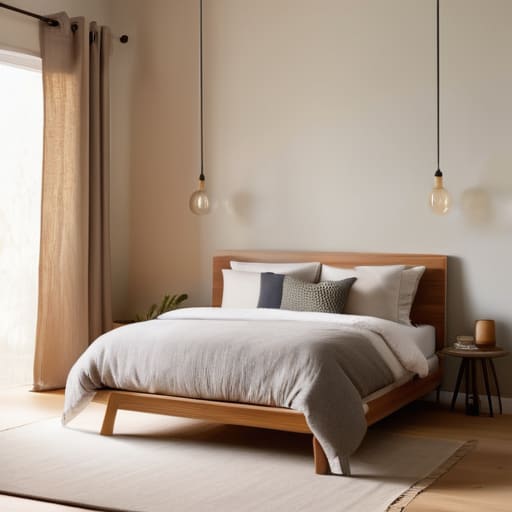
At the end of the day, refreshing your bedroom isn’t about buying every trendy piece of furniture you see on social media. It’s about the systems we discussed: optimizing your flow, stripping away the visual noise, and ensuring every object in your room serves a purpose. Whether you’re upgrading your lighting to set a better mood or finally clearing that mountain of “miscellaneous” items off your nightstand, the goal is the same. We want to move from a state of constant mental friction to a space that feels intentionally curated. When you prioritize functional minimalism over mindless accumulation, you stop managing your clutter and start enjoying your sanctuary.
I know how easy it is to feel overwhelmed by the sheer volume of “stuff” that accumulates in our lives, but remember that a bedroom refresh is a marathon, not a sprint. You don’t need to overhaul everything by tomorrow morning; just start with one small, repeatable system that makes your morning routine a little smoother. Your environment is a direct reflection of your mental clarity. By taking control of your physical space, you are ultimately reclaiming your time and your peace of mind. Now, put down the phone, grab that notebook, and decide on the first single change you’re going to make tonight.
Frequently Asked Questions
How do I decide which items to actually keep versus what to donate without feeling overwhelmed by the process?
Don’t try to tackle the whole room at once; that’s how you end up paralyzed by a pile of clothes. Use the “Functional Test.” Pick up an item. If it doesn’t serve a daily purpose or bring genuine, quiet joy, it’s just friction. If you haven’t touched it in six months, it’s taking up mental real estate you don’t have. Be ruthless. If it’s broken or outdated, donate it. Clear the space, clear your head.
I have a very tight budget; what are the most impactful, low-cost changes I can make that won't look cheap?
Look, you don’t need a massive renovation budget to fix a room. The most impactful move is lighting. Swap those harsh overhead bulbs for warm-toned lamps; it instantly adds depth and masks imperfections. Next, declutter your surfaces and invest in a few uniform storage bins. When everything has a designated spot, the room feels intentional rather than messy. It’s about upgrading the atmosphere, not just buying new stuff. Focus on cohesion, not cost.
How can I maintain this streamlined setup once my daily routine inevitably gets chaotic again?
Systems fail when they require too much willpower. To keep this setup from collapsing, you need “low-friction maintenance.” Don’t aim for perfection; aim for resets. Spend five minutes every night doing a quick sweep—clear the nightstand, straighten the duvet, and put the stray tech cables back in their place. If you treat your bedroom like a system that needs a nightly reboot rather than a chore to be completed, the chaos won’t stand a chance.