I’m tired of seeing influencers treat a simple box of dried noodles like it’s a high-stakes chemistry experiment requiring artisanal sea salt and a degree in culinary arts. Most of the advice you find online is just noise designed to make a basic task feel like a chore, but I promise you, learning how to cook pasta perfectly doesn’t require a kitchen remodel or a massive budget. I spent years in high-pressure operations roles where every second counted, and I realized that the same principle applies to your dinner: if the system is too complex, you’re just wasting valuable time that should be spent eating.
I’m not here to give you a lecture or a list of twenty unnecessary steps. Instead, I’m going to give you a streamlined, repeatable system that works every single time, regardless of how tired you are after work. We are going to strip away the fluff and focus on the only three variables that actually matter. By the end of this, you’ll have a reliable method to achieve that ideal al dente texture without the mental clutter, so you can finally stop fighting your kitchen and just enjoy your meal.
Table of Contents
Mastering the Best Salt Ratio for Pasta Water
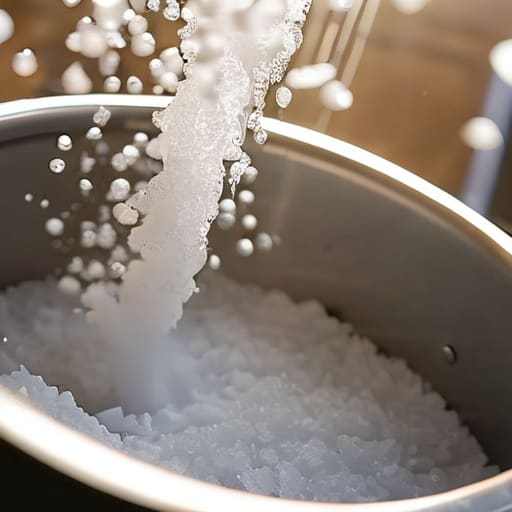
Most people treat salt like an afterthought, tossing in a tiny pinch and hoping for the best. That’s a mistake. If you want to actually season the noodle from the inside out, you need to treat your pot like a brine. I usually aim for a ratio that makes the water taste like a mild sea breeze—roughly one tablespoon of kosher salt per liter of water. This is the best salt ratio for pasta water because it ensures the flavor is built into the starch itself, rather than just sitting on top of a heavy sauce.
Don’t skimp on this step just to save time. Beyond flavor, the salinity plays a massive role in achieving al dente texture by helping the starch structure hold its integrity as it cooks. If your water is bland, your pasta will always taste hollow, no matter how much parmesan you throw at it later. Get the salt right at the start, and you’ve already won half the battle.
The Secret to Achieving Al Dente Texture Without Stress
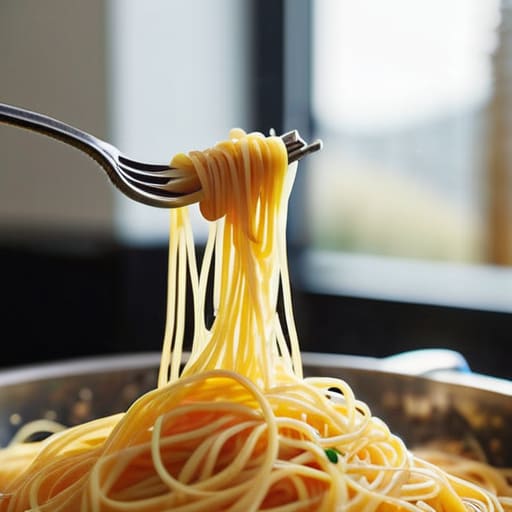
Most people treat the timer like a law, but if you’re waiting for the box to tell you when the pasta is done, you’ve already lost. To truly master achieving al dente texture, you have to stop being a passive observer and start tasting. Start checking your noodles about two minutes before the package instructions suggest. You’re looking for that specific moment where the pasta has lost its raw, chalky center but still maintains a firm, structural bite. If it feels mushy, you’ve gone too far; if it resists your teeth too aggressively, it needs another sixty seconds.
The real trick to a seamless workflow is understanding that the pasta doesn’t finish cooking in the pot—it finishes in the pan. This is where emulsifying pasta sauce becomes a system rather than a struggle. Instead of draining everything into the sink, reserve a cup of that starchy liquid. When you toss your noodles directly into your sauce with a splash of that water, the starch acts as a binding agent, creating a silky, restaurant-quality finish that clings to every strand. It’s a small, repeatable step that eliminates the frustration of bland, separated meals.
Five Small Tweaks for a Better Plate
- Stop using a tiny pot; you need enough water volume so the pasta doesn’t turn into a gummy, starchy mess when it hits the heat.
- Save a cup of that cloudy pasta water before you drain it; it’s liquid gold for emulsifying your sauce so it actually clings to the noodles instead of sliding off to the bottom of the bowl.
- Ditch the oil in the boiling water; it’s a waste of time and just makes your pasta too slippery for the sauce to grab onto.
- Don’t let the pasta sit in the colander to drain; move it directly from the water into your sauce pan to finish the last minute of cooking in the flavor, not the plain water.
- Stir the pot immediately after dropping the pasta in; those first thirty seconds are the most critical window to prevent the pieces from sticking together.
The Bottom Line for Better Pasta
Stop treating your pasta water like a swimming pool; salt it heavily enough to taste like the sea, and you’ll season the noodle from the inside out.
Don’t trust the box instructions blindly—start tasting your pasta two minutes before the timer hits zero to catch that perfect al dente window.
Save a mug of that starchy cooking water before you drain the pot; it’s the “liquid gold” that turns a dry mess into a silky, professional sauce.
The Philosophy of the Perfect Plate
“Cooking shouldn’t be another item on your to-do list that stresses you out; it’s about setting a simple system in motion—salt the water, watch the clock, and trust the process so you can actually sit down and eat.”
Liam Anders Chen
Stop Overthinking, Start Eating
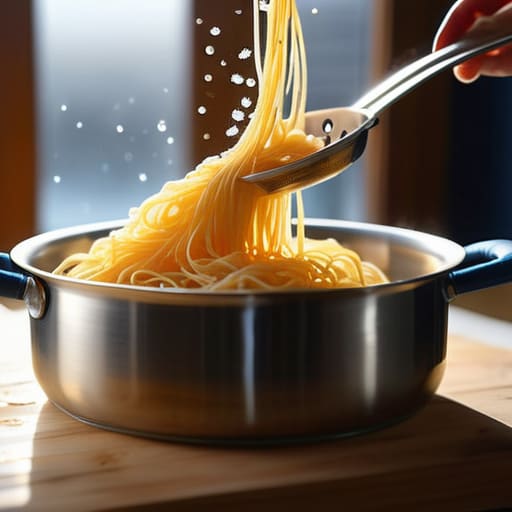
At the end of the day, cooking perfect pasta isn’t about following a complex manual or buying expensive kitchen gadgets. It’s about mastering two simple variables: the salt in your water and the timing of your clock. Once you stop treating the kitchen like a high-stakes laboratory and start treating it like a repeatable system, the stress evaporates. You don’t need a chef’s degree to get that perfect al dente bite; you just need to respect the process and pay attention to the texture.
My goal has always been to strip away the unnecessary friction in daily life, and your dinner shouldn’t be any different. Life is far too chaotic to let a bowl of mushy noodles ruin your evening. Use these systems, trust your senses, and then get out of the kitchen. The point of a good meal isn’t the time you spent hovering over a boiling pot—it’s the time you spend actually enjoying it. Now, go grab a fork and get back to living.
Frequently Asked Questions
Should I actually bother adding oil to the water, or is that just a waste of time?
Don’t bother with the oil. It’s a common myth that adds unnecessary complexity to a simple process. In reality, oil just floats on the surface, creating a slick film that actually prevents your sauce from clinging to the pasta. You want that starch to work for you, not against you. If you’re worried about sticking, just use more water and keep things moving. Keep it simple; skip the oil and focus on the sauce.
How do I know when to stop the cooking process if I'm not eating it immediately?
If you aren’t sitting down to eat immediately, you need to stop the cooking process mid-way. Pull the pasta out about two minutes before the package says it’s done. Rinse it briefly under cold water to kill the residual heat—this stops the cooking instantly—and toss it with a tiny bit of oil to prevent clumping. When you’re actually ready to eat, finish it in your sauce. It’s the only way to avoid mush.
Is it really okay to just rinse the pasta under cold water, or am I ruining the texture?
Don’t do it. Unless you’re making a cold pasta salad, rinsing your pasta is a rookie mistake that kills the texture. That starchy coating on the surface is exactly what helps the sauce cling to the noodles; if you wash it away, your sauce just slides right off to the bottom of the bowl. Keep the starch, keep the flavor, and just toss it straight into the pan. Trust the process.