I spent three hours last Saturday wrestling with a massive, half-collapsed cardboard box in my hallway, surrounded by tangled holiday lights and heavy winter coats that I haven’t touched since April. It was one of those moments where I realized my “system” for seasonal transitions was actually just a slow-motion disaster waiting to happen. Most people think you need a massive budget or a professional organizer to figure out how to store seasonal items effectively, but that’s just more noise. You don’t need a warehouse; you just need a logical workflow that stops the clutter from bleeding into your daily life.
I’m not here to sell you on expensive, color-coded vacuum bags that take twenty minutes to seal or some overly complex labeling system that requires a degree in engineering. My goal is much simpler: I want to show you how to build a repeatable, low-friction process that works. I’ll walk you through the exact tools I use to keep my space clear, from the best types of containers to the specific way I map out my storage zones. Let’s strip away the chaos so you can stop managing your stuff and actually start enjoying your home.
Table of Contents
Finding the Best Containers for Seasonal Storage
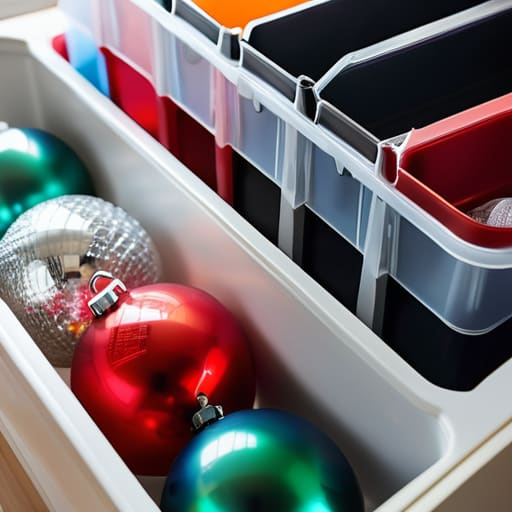
Don’t just grab the first cardboard box you find in the garage. I’ve learned the hard way that cheap, flimsy boxes are a recipe for disaster—especially when you’re protecting fragile ornaments or delicate textiles. If you want this to work long-term, invest in high-quality, clear plastic bins. Being able to see exactly what’s inside without unstacking an entire tower of clutter is a massive win for your future self. Look for containers with locking lids to keep out dust, moisture, and those uninvited pests that love a dark corner.
If you’re working with a tight apartment or a crowded closet, you need to think vertically. I’m a big proponent of using uniform, stackable bins; they turn wasted air into usable real estate. For bulky items like heavy winter coats or extra pillows, vacuum-seal bags are the ultimate space-saving storage solutions. They compress everything down to a fraction of its size, making the whole process feel less like a chore and more like a controlled system. Just make sure you aren’t crushing anything that needs room to breathe.
Space Saving Storage Solutions That Actually Work
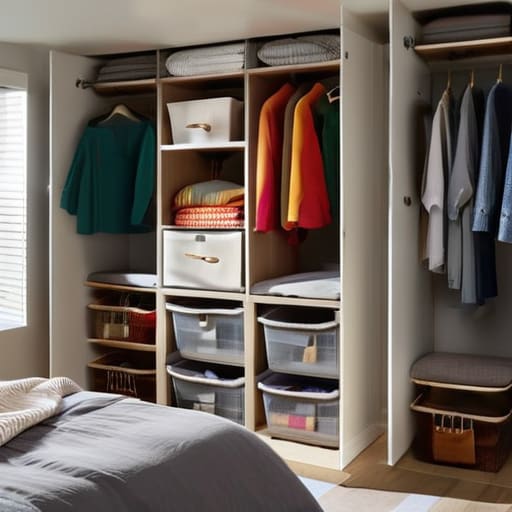
If you’re working with limited square footage, you can’t afford to let bulky bins take up prime real estate in your closet. I’ve found that the most effective space-saving storage solutions involve utilizing the vertical space you already have. Instead of stacking heavy boxes on the floor, look toward the ceiling. Vacuum-seal bags are a game-changer for soft goods like heavy winter blankets or summer linens; they compress the air out so you can slide them into those narrow gaps on top of your wardrobe.
When it comes to more rigid items, I swear by under-bed rolling bins. They turn that dead space beneath your mattress into a functional storage zone. However, don’t just throw everything in there haphazardly. If you’re organizing holiday decorations, make sure you aren’t crushing the delicate stuff at the bottom of a heavy stack. I always use thin, stackable plastic bins for my more fragile pieces. It’s about creating a system where everything has a designated “home” that doesn’t interfere with your daily movement. If it’s out of sight and properly compressed, you’ve won.
My Five Non-Negotiable Rules for Seasonal Storage
- Label everything with more detail than you think you need. Don’t just write “Holiday”; write “Christmas—Ornaments, Red Ribbons, Tree Skirt.” When you’re digging through a bin in a dark garage, you don’t want to be playing a guessing game.
- Use the “One In, One Out” rule to prevent clutter creep. If you buy a new set of heavy winter blankets, one old, thin set has to go. Storage space is a finite resource; stop treating it like an infinite void.
- Protect your gear from the elements. If you’re storing stuff in a basement or attic, skip the cardboard boxes—they invite moisture and pests. Stick to heavy-duty, airtight plastic bins to keep your things in the same condition they were when you packed them.
- Group by frequency of use, not just category. I keep my lightweight spring linens in an easy-to-reach spot, but my heavy-duty snow shovels and winter boots go in the deep storage zone. Work with your home’s layout, not against it.
- Do a quick “audit and repair” before you pack. If a sweater has a loose thread or a holiday light string is tangled, fix it now. There is nothing more frustrating than pulling out your “organized” bins only to find a pile of broken junk that needs work.
The Bottom Line
Stop buying random boxes; invest in clear, uniform containers that stack perfectly so you aren’t playing Tetris every time you open your closet.
If you can’t see it, you don’t own it—label everything clearly so you stop digging through piles and wasting time looking for that one specific holiday ornament.
Get the clutter out of your primary living space by utilizing vertical storage or under-bed bins; your daily environment should be for living, not for storing things you only use once a year.
The Philosophy of Seasonal Storage
“If you’re constantly tripping over summer gear in the middle of December, your storage system isn’t working—it’s just adding to the noise. Real organization isn’t about having a place for everything; it’s about making sure the things you don’t need right now stay out of your mental workspace.”
Liam Anders Chen
Getting Your Space Back
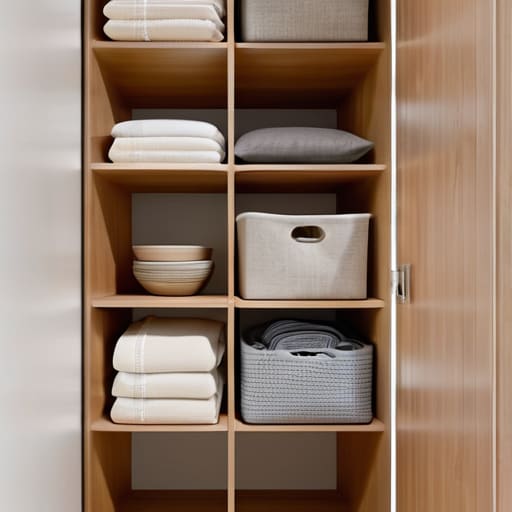
At the end of the day, storing seasonal items isn’t about buying every fancy gadget on the market; it’s about building a system that works for your specific square footage. We’ve covered how to pick the right containers to protect your gear, and how to utilize those often-ignored vertical spaces to keep your floor clear. Whether you’re using clear bins for visibility or vacuum bags to crush down bulky winter coats, the goal is the same: eliminate the visual noise. When you stop fighting your closet and start managing your inventory, you stop wasting mental energy searching for things that should be tucked away. It’s about functional simplicity, not perfection.
I know that looking at a pile of clutter can feel overwhelming, especially when you’ve already had a long day at work. But I promise you, once these systems are in place, the relief is worth the initial effort. You aren’t just organizing boxes; you are reclaiming your environment so you can actually focus on what matters—whether that’s enjoying a clear living room or finally getting through your to-do list without distraction. Stop letting the seasons dictate the state of your home. Take control of your space, clear the chaos, and start living more intentionally.
Frequently Asked Questions
How do I know which items are actually worth keeping versus what I should just donate or toss?
Look, I’ve learned the hard way that “just in case” is a trap. If you haven’t touched it in two years, it’s dead weight. Use the “Utility vs. Joy” test: if it doesn’t serve a functional purpose or bring you genuine value, it’s clutter. Don’t get sentimental about a broken gadget or a shirt that hasn’t fit since 2018. If it doesn’t earn its spot in your home, let it go.
Should I be using vacuum seal bags for soft goods like blankets, or will that ruin the fabric over time?
Here’s the deal: vacuum bags are a double-edged sword. For bulky items like winter duvets or extra pillows, they’re a lifesaver for reclaiming space. But be careful with delicate fabrics or high-quality wool. Crushing those fibers for months can leave permanent creases or damage the loft. My rule of thumb? Use them for the heavy-duty stuff, but keep your nice knits and linens in breathable cotton bins. Protect the fabric, don’t just save the space.
How do I keep my stored items from smelling musty if I'm tucking them away in a basement or attic for months?
Don’t let your hard work go to waste by pulling out a box of mildewed sweaters six months from now. If you’re using a basement or attic, moisture is your enemy. Throw a few silica gel packets into every bin to soak up humidity, and toss in some activated charcoal or cedar blocks to kill odors before they start. Keep everything airtight; if air can get in, that musty smell is coming with it.