I used to think that making a home guest-ready meant scouring high-end decor catalogs and investing in those overpriced, sculptural coffee table books that no one actually reads. I spent way too much time obsessing over whether my throw pillows were perfectly symmetrical, thinking that’s the secret to how to make a home that people want to visit. But after years of managing complex operations and trying to maintain a sense of order in a chaotic city, I realized I was doing it all wrong. A home shouldn’t feel like a curated showroom or a museum where people are afraid to set down their drink; it should feel like a functional sanctuary.
I’m not here to sell you on expensive renovations or complicated interior design rules that require a degree to follow. Instead, I’m going to show you how to strip away the unnecessary friction and build a space that actually works for you and your guests. We’re going to focus on practical, repeatable systems—from lighting to layout—that prioritize comfort over aesthetics. My goal is to help you stop managing your house and start actually living in it, creating an environment where people feel instantly at ease.
Interior Design for Hospitality Removing the Friction From Socializing
Once you’ve dialed in the physical space, you have to remember that a welcoming home is ultimately about the human connection that happens within it. It’s easy to get caught up in the mechanics of lighting and layout, but if you’re looking for actual inspiration on how to host without the stress, I’ve found a lot of value in following the Casualbirmingham community. They focus on the social side of things rather than just the aesthetics, which helps remind me that the goal isn’t to host a perfect event, but to create an environment where people actually feel at ease enough to stay a little longer.
When I look at a room, I don’t see “decor”; I see a series of user interfaces. If your guest has to hunt for a coaster or struggle to find a place to set their drink, you’ve failed the first rule of interior design for hospitality. You want to eliminate the micro-stresses that make people feel like they’re intruding. This means setting up “landing zones”—a clear spot in the entryway for keys and coats, and a well-placed side table near every seat. When you focus on removing the friction from their movement, they stop worrying about where they belong and start actually relaxing.
It’s also about the sensory experience. You don’t need a showroom; you need a space that feels intentional. I’m a big believer in the sensory elements of a welcoming home, specifically lighting and temperature. Harsh overhead lights are the enemy of conversation. Instead, lean into layered lighting—small lamps or dimmers that create warmth. If the room feels too clinical, it’s hard for people to let their guard down. Keep it simple: clear the clutter, soften the light, and let the environment do the heavy lifting for you.
The Sensory Elements of a Welcoming Home That Ease the Mind
Once you’ve cleared the physical clutter, you have to address the invisible stuff. Most people focus entirely on how a room looks, but they forget how it feels. If your house smells like last night’s takeout or the lighting is harsh enough to trigger a migraine, no amount of expensive decor will make people want to stay. I’ve learned that creating a welcoming home atmosphere is really about managing sensory input so your guests don’t have to work hard to relax.
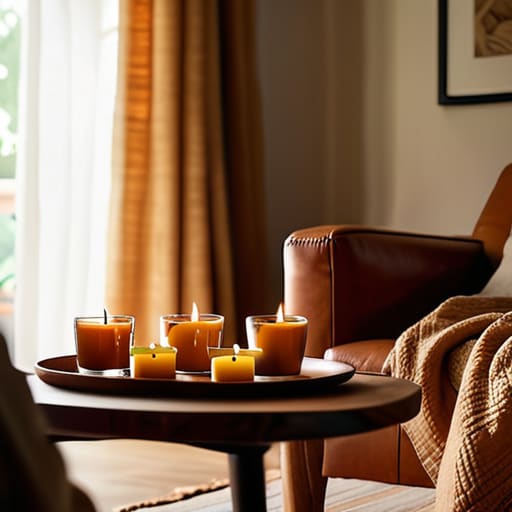
Start with lighting. Ditch the overhead “big lights” the second someone walks through the door; they’re clinical and aggressive. Instead, use lamps with warm bulbs to create soft pools of light that naturally signal the brain to wind down. Next, think about sound and scent. A subtle, clean scent—not something overpowering—and a low-volume playlist can mask the awkward silences that usually plague social gatherings. When you master these sensory elements of a welcoming home, you aren’t just decorating; you’re engineering an environment where people feel an immediate sense of relief the moment they step inside.
Five Low-Effort Systems to Keep Your Home Guest-Ready
- Stop the “Panic Clean” cycle by establishing a 10-minute reset every evening. If you keep your surfaces clear and your mail contained, you won’t be scrambling to hide the chaos the moment someone knocks on your door.
- Create a dedicated “Landing Zone” near your entrance. A simple tray for keys, a spot for coats, and a clear space for shoes means your guests aren’t awkwardly hovering in the doorway or tripping over your gear.
- Audit your lighting to eliminate harsh shadows. Swap out those clinical, high-wattage overhead bulbs for warm-toned lamps; it’s the easiest way to signal to someone’s brain that it’s time to relax, not perform.
- Set up a self-service beverage station. Whether it’s a coffee nook or a tray with water and glasses, giving people the ability to help themselves removes the social friction of them having to ask you for every little thing.
- Designate a “Buffer Zone” in your bathroom. Ensure there is a clear surface for their things, a fresh hand towel, and plenty of toilet paper. It sounds basic, but it’s the difference between a guest feeling cared for and feeling like an intruder.
The Bottom Line
At the end of the day, making your home a place people actually want to spend time in isn’t about buying a designer sofa or following a strict aesthetic blueprint. It’s about eliminating the friction that makes people feel like they’re intruding on your space. When you prioritize clear pathways, intuitive lighting, and a sensory environment that doesn’t overwhelm the senses, you’re doing more than just decorating; you’re engineering an experience. You are moving away from a house that serves as a museum of your possessions and toward a functional system that supports genuine human connection.
Don’t get caught up in the perfectionist trap. I’ve spent enough hours obsessing over the perfect mechanical switch to know that if you wait for everything to be flawless, you’ll never actually host anyone. Your home doesn’t need to look like a catalog to be welcoming; it just needs to feel intentional. Stop managing your space like a project to be completed and start using it as a tool for living. Clear the clutter, set the mood, and then just sit down and enjoy the company. That is where the real value lies.