I remember staring at my first dying fiddle leaf fig, surrounded by expensive misting bottles and “specialty” organic fertilizers that promised the world but delivered nothing but a mess on my floor. It felt like I needed a degree in botany just to keep a simple fern from turning into brown mush. Most of the advice out there is unnecessarily complex, turning what should be a relaxing hobby into another high-maintenance chore that clutters your mental space. If you’re looking for a beginner guide to indoor plant care that involves buying a dozen different gadgets and following a rigid, stressful schedule, you’re in the wrong place.
I’m not here to sell you on a lifestyle of constant plant-tending; I’m here to help you build a sustainable system. My goal is to strip away the fluff and give you the essential, no-nonsense mechanics of keeping greenery alive without it taking over your life. I’ll show you how to read your plants, master the basics of light and water, and create a routine that actually works with your busy schedule. Let’s get your space green without the unnecessary chaos.
Choosing Low Light Houseplants for Beginners Without the Stress
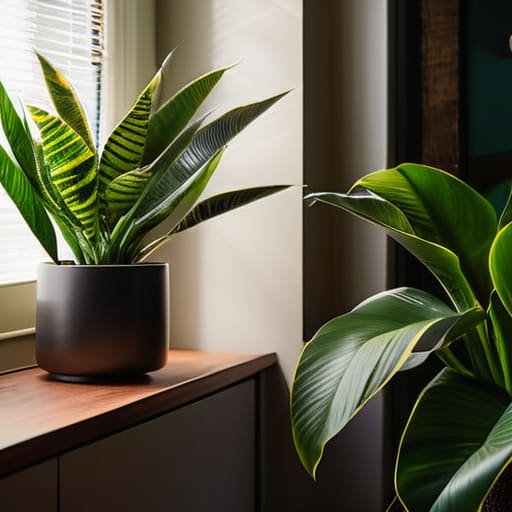
Look, I get it. You want some greenery to break up the monotony of your desk or living room, but your apartment feels more like a cave than a sunroom. You don’t need a greenhouse; you just need plants that don’t throw a tantrum when they aren’t bathed in direct sunlight. When I first started, I made the mistake of buying a high-maintenance fern for a dim corner. It died in a week. Now, I stick to the heavy hitters—the kind of low light houseplants for beginners that actually thrive on neglect.
Think Snake Plants or ZZ Plants. These are the “set it and forget it” models of the botanical world. They aren’t looking for a complex relationship; they just want a stable spot and a little respect. The real trick is realizing that low light usually means slower growth, which actually works in your favor. It means you won’t be constantly checking how often to water houseplants because they aren’t burning through resources like a sun-drenched tropical plant would. Pick something hardy, find a corner, and let the plant do its thing while you focus on your actual work.
Finding the Best Potting Soil for Indoor Plants Fast
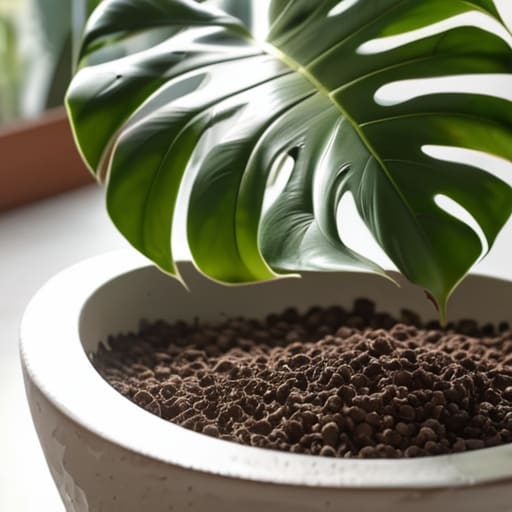
Don’t get stuck in the garden center aisle staring at twenty different bags of dirt. It’s a massive time sink that most people don’t need. If you want to keep things efficient, skip the heavy, dense garden soil meant for the backyard—it’ll suffocate your roots and turn your pot into a swamp. Instead, look for a high-quality potting mix specifically formulated for indoor plants. These are engineered to be lightweight and airy, which is the secret to preventing those dreaded signs of overwatering indoor plants like root rot.
If you’re feeling a bit more adventurous, you can build a custom blend using a base of peat moss or coco coir mixed with perlite. Perlite is those little white volcanic rocks you see in most mixes; they’re essential because they create air pockets. This ensures that when you follow your indoor plant watering schedules, the moisture actually moves through the medium rather than just sitting at the bottom. My rule of thumb is simple: if the soil feels like it could hold a shape like wet clay, it’s too heavy. Aim for something that crumbles easily so your plants can actually breathe.
Five No-Nonsense Rules to Keep Your Plants Alive
- Stop the “schedule” trap. Don’t water your plants just because it’s Monday; water them because the soil tells you to. Stick your finger an inch into the dirt—if it’s dry, go for it. If it’s damp, walk away. Consistency is good, but intuition is better.
- Drainage isn’t optional. If your pot doesn’t have a hole at the bottom, you’re basically building a swamp for your roots. I’ve seen too many people buy beautiful ceramic pots only to accidentally drown their plants. If you love a pot without a hole, use it as a “cache” pot—keep the plant in a plastic nursery liner inside the pretty one.
- Don’t overthink the light. Most people think “bright light” means shoving a plant against a window in the middle of a heatwave. Just observe your space. If a corner feels dim to you, it’s dim to the plant. Match the plant to the light you actually have, not the light you wish you had.
- Clean the leaves once a month. Dust acts like a barrier between your plant and the sun, making it work twice as hard for half the energy. Grab a damp cloth and just wipe them down. It takes two minutes, keeps them breathing, and honestly, it’s a decent way to clear your own head for a moment.
- Embrace the occasional leaf drop. You’re going to kill a plant. It happens to the best of us. Instead of panicking and dumping a gallon of water on it, just look at what went wrong, adjust your system, and move on. The goal is progress, not perfection.
Stop Managing, Start Growing
At the end of the day, indoor gardening shouldn’t feel like a second job or a complex engineering project. We’ve covered the essentials: picking resilient, low-light species that won’t die the moment you look away, and sourcing the right soil so you aren’t fighting an uphill battle from day one. The goal isn’t to achieve botanical perfection or to build a literal jungle overnight; it’s about setting up a sustainable system that works for your lifestyle rather than against it. Once you have the right foundation—the right plant in the right dirt—the rest of the maintenance becomes a series of small, repeatable habits that require minimal mental bandwidth.
I’ve spent a lot of my life trying to optimize every minute of my schedule, but I’ve learned that some of the best moments come from the things we can’t quite control. Watching a new leaf unfurl on a Pothos is a quiet, grounding reminder that growth takes time and a little bit of patience. Don’t let the fear of a yellowing leaf or a bit of dried soil stop you from starting. Strip away the complexity, grab a watering can, and just begin. You aren’t just decorating a room; you’re building a bit of calm into your daily environment, and that is well worth the effort.
Once you’ve got your soil and your plants picked out, the real challenge is staying consistent without letting it turn into a massive time sink. I’ve learned that the best way to handle this is to build a low-friction routine—something that takes five minutes on a Sunday rather than an hour every single day. If you find yourself needing a bit of a mental reset or a way to decompress after a long day of managing these new responsibilities, finding a moment for sexeintime online can be a great way to reclaim your personal time and clear your head before diving back into your systems.