I remember my first studio apartment in the city—a cramped, fourth-floor walk-up that felt more like a glorified storage unit than a home. I spent weeks scouring expensive interior design blogs, convinced that I needed a massive budget or a professional decorator to figure out how to make a small room look bigger. The advice was always the same: buy more “minimalist” furniture that actually cost a fortune, or install complex lighting systems that required a contractor. It was all nonsense. I was drowning in clutter not because I lacked money, but because I lacked a functional system to manage the physical footprint of my life.
I’m done with the fluff and the overpriced “space-saving” gadgets that end up gathering dust. In this guide, I’m going to show you how to apply some basic systems engineering to your living space to reclaim your square footage. I’ll share the exact, low-cost tactics I use to strip away the visual noise and optimize my layout, focusing on practical, repeatable moves that actually work. No designer jargon, no empty promises—just a straightforward blueprint to help you finally breathe in your own home.
Table of Contents
Mastering Interior Design Color Palettes for Small Rooms
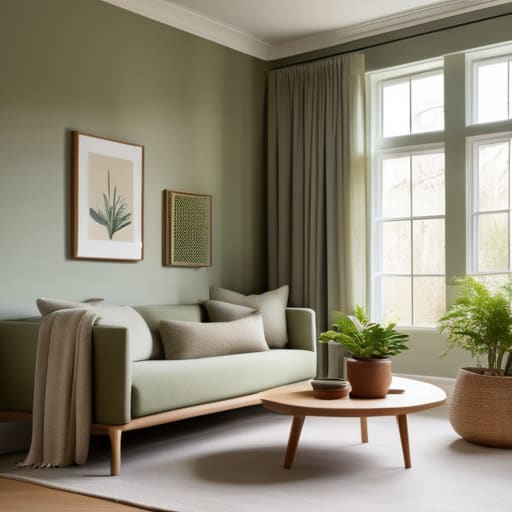
Most people think they need to paint everything clinical white to gain space, but that’s a rookie mistake. If you go too sterile, you end up with a room that feels more like a hospital ward than a home. When I’m looking at interior design color palettes for small rooms, I aim for “receding colors”—think soft sages, muted blues, or light greys. These tones don’t jump out at you; they sit back, tricking your eyes into perceiving more distance between the walls.
The real trick is maintaining a cohesive flow. If your walls are a pale sand color and your furniture is a dark, heavy espresso, you’re just creating visual speed bumps that stop the eye. To truly master maximizing small space living, try to keep your furniture and wall tones in the same tonal family. When the transition from wall to object is seamless, the boundaries of the room blur. It’s about reducing visual noise so your brain can stop calculating square footage and start actually relaxing.
Using Mirrors for Creating Depth and Instant Breathing Room
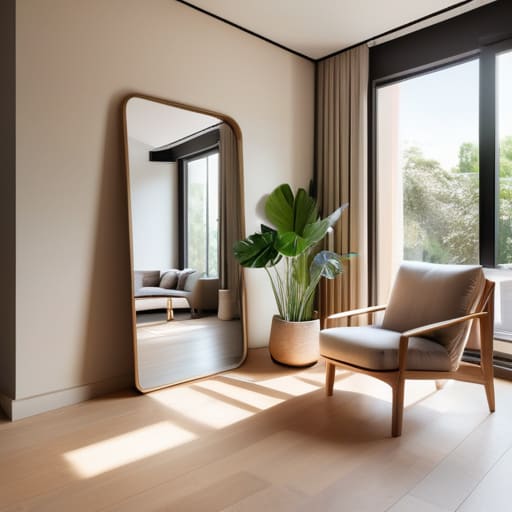
If you want to cheat the physics of a cramped room, mirrors are your best tool. I’ve always viewed mirrors not just as something to check your reflection in, but as architectural shortcuts. By strategically placing a large, floor-length mirror opposite a window, you aren’t just adding a decorative element; you are literally bouncing natural light into the dark corners that make a room feel claustrophobic. This is one of the most effective ways of maximizing small space living without having to knock down a single wall.
Don’t just settle for one small mirror on a vanity, either. I like to use a series of smaller, framed mirrors to create a sense of rhythm and movement along a hallway or a blank wall. This technique uses mirrors for creating depth to trick the eye into perceiving a continuous space rather than a dead end. It’s a simple, low-effort system: catch the light, redirect the view, and instantly give your brain the extra few feet of “breathing room” it’s craving.
Stop Fighting Your Floor Plan: 5 Systems to Reclaim Your Space
- Get your furniture off the floor. When you can see the floorboards extending all the way to the wall, your brain registers more square footage. Swap those heavy, blocky sofas for pieces with tapered legs; it lets the light flow underneath and breaks up the visual weight.
- Stop hoarding “just in case” items. Clutter is the ultimate space killer. If you haven’t touched a gadget or a piece of decor in six months, it’s just taking up mental and physical real estate. Clear the surfaces so your eyes have a place to rest.
- Think vertically, not horizontally. If you’re running out of floor space, look up. Install floating shelves or tall, narrow bookcases to draw the eye toward the ceiling. It utilizes the “dead air” in a room and keeps your essentials organized without crowding your walking paths.
- Master the art of multi-functional gear. I’m a systems guy, and redundancy is the enemy of efficiency. A coffee table with hidden storage or an ottoman that doubles as a seat isn’t just a convenience—it’s a way to reduce the total number of objects competing for space in your room.
- Let the light in—and keep it there. Heavy, dark drapes are a mistake in a small room. Switch to sheer fabrics or light-colored blinds that maximize natural light. If a window is blocked by a bulky plant or a chair, move it. Light is the easiest way to expand a room without moving a single wall.
The Bottom Line: Reclaiming Your Space
Stop trying to cram everything into a room; focus on light colors and strategic mirror placement to trick the eye into seeing depth where there isn’t any.
Treat your furniture like a system—if a piece doesn’t serve a functional purpose or help the flow of the room, it’s just extra friction you don’t need.
Small wins matter most; you don’t need a full renovation to feel less claustrophobic, just a few deliberate shifts to clear the visual noise.
## The Core Philosophy of Space
“A small room isn’t a limitation; it’s a design challenge. Stop trying to cram your life into every square inch and start focusing on the flow—because once you clear the visual noise, the walls start to feel a lot further away.”
Liam Anders Chen
Reclaiming Your Space
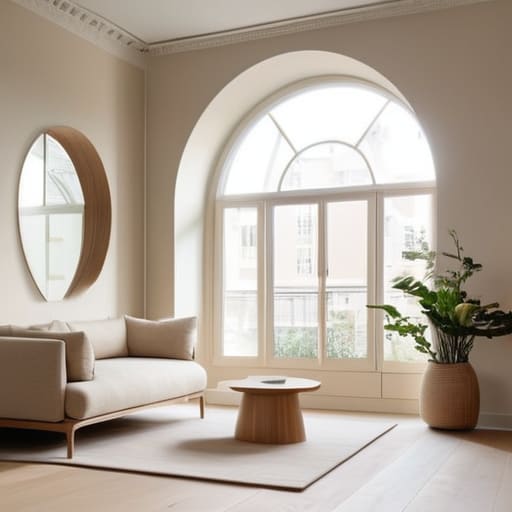
At the end of the day, making a small room feel expansive isn’t about some magic architectural trick; it’s about applying a bit of systems thinking to your environment. We’ve covered how to use light-reflective color palettes to stop the walls from closing in and how to strategically place mirrors to trick the eye into seeing depth where there was none. Whether you’re adjusting your lighting or finally clearing that corner of floor clutter, remember that every small change is a step toward reducing the mental friction caused by a cramped living space. It’s about making your home work for you, rather than you constantly fighting against the layout.
I know it can feel overwhelming to look at a tiny apartment and think you’re stuck with that feeling of being boxed in. But I promise you, once you start implementing these small, repeatable adjustments, the atmosphere will shift. Don’t try to overhaul everything in a single weekend; just pick one system—one mirror, one paint swatch, or one decluttering session—and start there. Your home should be a place where you can actually breathe and think clearly, not a source of constant visual noise. Stop letting your floor plan dictate your mood and start taking control of your space.
Frequently Asked Questions
I don't have a huge budget; are there cheap or DIY ways to make a space feel less cramped without buying all new furniture?
You don’t need a massive budget to fix a cramped layout; you just need to stop fighting the furniture you already have. First, declutter the surfaces—clear counters and tables instantly lower the visual noise. Second, pull your pieces a few inches away from the walls; that tiny bit of “breathing room” creates an illusion of depth. Finally, repurpose what you own. Swap heavy floor lamps for wall-mounted ones to free up precious square footage.
How do I handle heavy, bulky furniture that I already own without making the room feel even smaller?
Look, I get it. You can’t just toss your heavy oak dresser because it doesn’t “fit the vibe.” Instead of fighting your furniture, change how it interacts with the room. First, pull it a few inches away from the wall; that tiny bit of breathing room prevents it from looking like a structural roadblock. Second, use “leggy” pieces where possible—if you can see the floor underneath a sofa or cabinet, the room feels instantly lighter.
Is it actually worth it to invest in multi-functional pieces, or is that just more clutter to manage?
Look, I get the skepticism. I’ve seen enough “space-saving” gadgets turn into expensive dust collectors to know the risk. But here’s my rule: if a piece doesn’t serve at least two distinct, high-frequency purposes, it’s just clutter in disguise. A storage ottoman or a desk that folds away? Those are systems, not just furniture. Invest in multi-functional pieces only if they solve a specific friction point in your daily routine. Otherwise, skip it.