I spent most of my twenties thinking that “relaxing” meant sitting on my sofa with a laptop, surrounded by half-finished projects and a mountain of clutter. But let’s be honest: you can’t actually decompress when your environment is screaming for attention. I realized that if I wanted to actually sink into a book, I needed a dedicated zone—a place where the chaos of my operations job couldn’t follow me. Finding effective cozy reading nook ideas isn’t about buying a bunch of expensive, aesthetic furniture that looks good on Instagram but feels terrible to sit in; it’s about engineering a sanctuary that serves a specific purpose.
In this post, I’m stripping away the fluff to give you five practical, high-impact elements that actually work. I’m not going to suggest you renovate an entire room or spend a month’s rent on a designer chaise lounge. Instead, I’ll show you how to curate a space using a systems-thinking approach to comfort. By the end of this, you’ll have a blueprint for a personal retreat that focuses on functional relaxation, ensuring your next reading session is actually the mental reset you deserve.
Table of Contents
The Low-Maintenance Corner
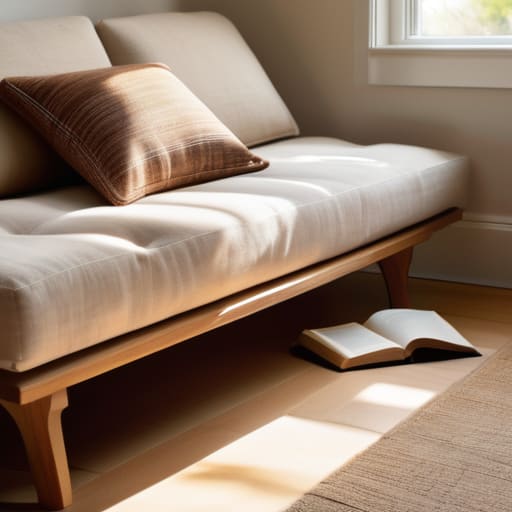
You don’t need a dedicated sunroom or a custom-built alcove to get this right. Most people fail because they try to build a “project” instead of just setting up a functional zone. I usually tell people to just grab a high-quality floor cushion and a small, sturdy side table that fits in the gap between your sofa and the wall.
Master Your Lighting
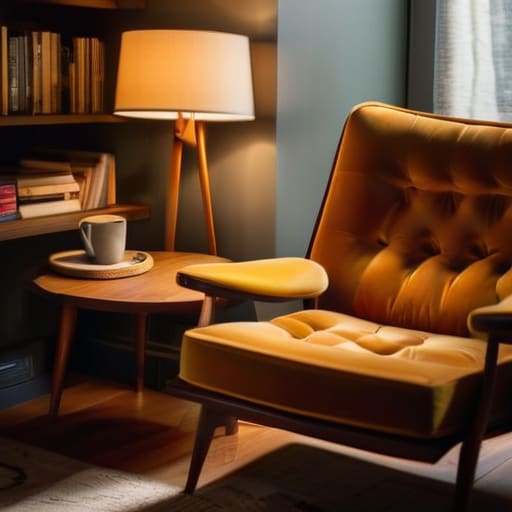
Stop relying on harsh overhead lights that turn your living room into a sterile office space. If you want to actually settle into a story, you need layered lighting that mimics a natural, warm glow. A single, well-placed floor lamp with a warm-toned bulb is often more effective than a dozen cheap fairy lights.
The Tactile Anchor

Since I spend a lot of my time working with mechanical parts, I’ve developed a deep appreciation for texture. A reading nook shouldn’t just look good; it needs to feel right. I recommend investing in one high-quality, heavy-weight throw blanket—something in wool or a thick cotton blend—rather than a pile of cheap, synthetic throws that just collect dust.
A Dedicated Tech-Free Zone
This is the hardest part for most of us, but it’s the most critical for mental clarity. If your phone is sitting right next to your book, you aren’t reading; you’re just waiting for a distraction. I treat my reading nook like a Faraday cage for my attention.
The Micro-Library Setup
Don’t go out and buy a massive, floor-to-ceiling bookshelf if you don’t have the space or the discipline to maintain it. A cluttered bookshelf is just another thing on your to-do list. Instead, use a small, rolling cart or a single floating shelf positioned within arm’s reach of your seat.
The Bottom Line: Less Friction, More Reading
Stop treating your reading nook like a design project; the best setup is the one that requires zero effort to settle into.
Prioritize physical comfort—specifically lighting and seating—over aesthetics so you actually stay in the chair instead of just looking at it.
Keep the space clutter-free to protect your focus; if your nook is just another place to pile up mail or tech, it won’t work.
The Philosophy of the Nook
A reading nook isn’t about buying a designer armchair or following an aesthetic trend; it’s about engineering a small, intentional zone where the noise of the world finally hits mute.
Liam Anders Chen
Stop Planning and Start Reading
At the end of the day, building a reading nook isn’t about buying the most expensive velvet armchair or curating a Pinterest-perfect corner that looks good but feels stiff. It’s about the fundamentals: a comfortable seat, controlled lighting, and a space that is free from digital distractions. Whether you’re repurposing a corner of your bedroom with a simple floor lamp or setting up a dedicated chair by the window, the goal is to create a functional sanctuary that serves your needs rather than your social media feed. Don’t let the pursuit of a “perfect” setup become another project on your never-ending to-do list that keeps you from actually opening a book.
I spend a lot of my time optimizing systems to make life run smoother, but I’ve learned that some of the best things in life shouldn’t be optimized—they should just be enjoyed. Your reading nook is your permission slip to disconnect from the chaos of the city and the constant hum of notifications. It is a small, intentional boundary you draw around your own peace of mind. So, stop overthinking the logistics, grab that book you’ve been meaning to finish, and just claim your space. You don’t need a renovation; you just need a place where the world finally goes quiet.
Frequently Asked Questions
I don't have a dedicated room for this; how can I carve out a reading spot in a small apartment without it looking like clutter?
Look, I’ve lived in tiny apartments where every square inch feels like a battleground. If you don’t have a spare room, stop trying to find one and start looking at the “dead zones.” A corner of your bedroom or even a window seat works perfectly. The trick to avoiding the clutter look is verticality: use a slim, wall-mounted shelf for your books instead of a bulky bookcase. Keep the footprint small, and it’ll feel like a sanctuary, not a mess.
What’s the best way to handle lighting so I don't end up with eye strain after twenty minutes?
Stop treating lighting like an afterthought. If you’re squinting, your system is broken. You need layered lighting: a warm, ambient glow for the room to prevent harsh shadows, paired with a dedicated task lamp for your book. Aim for a warm color temperature—around 2700K—to keep it cozy without the blue light strain. Most importantly, position the light so it hits the page, not your eyes, and avoid reading in total darkness.
Should I invest in a high-end armchair, or can I make a functional nook work with stuff I already own?
Look, don’t fall into the trap of thinking you need a $1,200 designer chair to make this work. That’s just more clutter and a bigger decision to manage. If you have a decent chair, a few floor cushions, or even a sturdy armchair that just needs a better lamp and a throw blanket, use it. Start with what you have. Build the system first; upgrade the hardware only when the current setup actually fails you.