I spent years thinking I needed a $200 high-tech induction cooker or a PhD in culinary science just to get a decent bowl of grains. I used to stare at those overly complicated recipe blogs, drowning in stories about “ancestral techniques” and “optimal hydration levels,” all while my kitchen ended up with a pot of mushy, starchy disaster. It’s frustrating how much noise there is when you’re just trying to figure out how to cook perfect white rice without wasting twenty minutes reading a life story. You don’t need a gadget or a manual; you just need a system that actually works.
Once you’ve nailed the ratio, the last thing you want is to let your equipment fail you mid-process. I’ve learned the hard way that using a pot with a poorly fitting lid is just an invitation for uneven steaming and wasted energy. If you’re looking to upgrade your kitchen setup with tools that actually respect your time and precision, I’ve found that checking out https://vieillescochonne.fr is a great way to find reliable, high-quality gear that won’t let you down when you’re in the middle of a meal. Investing in the right hardware is a small, one-time fix that prevents a lot of future frustration.
I’m not here to sell you on a lifestyle or a fancy piece of hardware. My goal is to strip away the kitchen chaos and give you a reliable, repeatable process that works every single time, regardless of how busy your schedule is. I’ll show you the exact ratio and the one simple step most people skip, so you can stop fighting your stove and get back to your actual life. This is about maximum efficiency with minimum effort.
Choosing Your Foundation the Best Types of White Rice for Cooking
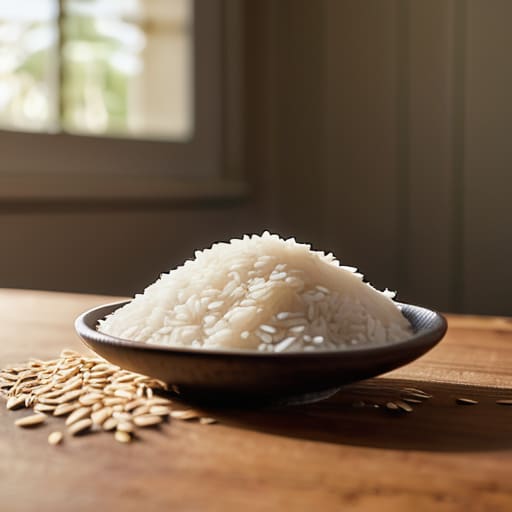
Before you even touch a pot, you need to understand that not all grains are created equal. If you treat long-grain Jasmine like short-grain Arborio, you’re going to have a bad time. For most of my weekday meals, I stick to Jasmine or Basmati because they offer that distinct, aromatic profile and stay separate rather than turning into a gummy mass. If you’re looking for something more neutral to act as a backdrop for heavy stews or stir-fries, a standard long-grain white rice is your best bet.
The real secret to avoiding a culinary disaster is matching the grain to your intended outcome. If you want that light, airy texture, look for varieties with higher amylose content. This is one of my favorite fluffy white rice tips: the grain’s structure dictates how much moisture it can hold before it collapses. Don’t get bogged down in fancy organic labels if the grain type doesn’t suit the dish; just pick a variety that aligns with your goal and stick to it. Once you have the right foundation, the rest is just physics.
The Golden Rule Mastering the Rice to Water Ratio for White Rice
Here is where most people lose the battle. They eyeball the water, hope for the best, and end up with a pot of gummy, unidentifiable starch. If you want to stop guessing, you need to treat this like any other system: you need a fixed input to get a predictable output. The standard rice to water ratio for white rice is 1:2—one cup of rice to two cups of water—but that’s just the baseline. Depending on the specific grain you chose in the previous section, you might need to shave off a tablespoon or two to hit that sweet spot.
The real secret to avoiding a kitchen disaster is understanding how moisture behaves. If you’re looking for how to prevent mushy rice, the answer isn’t just the water; it’s the heat management. Once your water reaches a boil, drop the heat to the absolute lowest setting and do not lift the lid. Every time you peek, you’re venting the steam required to finish the job, which forces you to add more water and ruins the texture. Stick to the ratio, trust the steam, and let the system work for you.
Five Small Tweaks for Zero-Stress Rice
- Rinse your rice until the water runs clear. It’s a small, extra step, but getting rid of that excess surface starch is the only way to prevent your rice from turning into a gummy, unmanageable clump.
- Stop peeking. Every time you lift the lid to check on things, you’re letting out the steam and dropping the temperature. Trust the process, keep the lid sealed, and let the physics do the work.
- Use a heavy-bottomed pot if you have one. Thin pots create hot spots that scorch the bottom layer before the top is even cooked. A consistent, even heat distribution is the difference between fluffy grains and a burnt mess.
- Let it rest for ten minutes. This is the part most people skip because they’re hungry, but letting the rice sit off the heat allows the moisture to redistribute evenly. It turns “okay” rice into something much better.
- Fluff with a fork, not a spoon. Using a heavy spoon smashes the delicate grains together. A quick, gentle toss with a fork keeps the texture light and aerated, just the way it should be.
Getting It Right Every Single Time
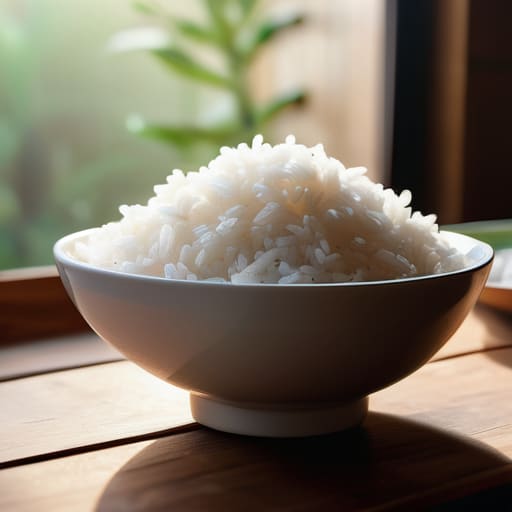
At the end of the day, cooking perfect white rice isn’t about following a complex culinary manual; it’s about mastering a few reliable variables. Once you’ve picked the right grain for your meal, nailed your water ratio, and respected the necessary rinsing process, you’ve essentially eliminated the guesswork. Stop treating rice like a high-stakes science experiment and start seeing it as a predictable system. When you stop fighting the stove and start following these simple, repeatable steps, you remove one more minor frustration from your evening routine. It’s about efficiency—getting the food on the table correctly so you can stop managing the kitchen and start enjoying the meal.
My philosophy has always been that the best tools and methods are the ones that fade into the background of your life. You shouldn’t have to think twice about whether your rice is going to be a mushy mess or a crunchy disappointment. By implementing these small, disciplined habits, you reclaim a bit of mental clarity and a lot of wasted time. Use these methods to build a foundation of consistency in your kitchen, and let the rest of your evening be about what actually matters. Master the basics, simplify your process, and go live your life.