I used to think that achieving the perfect bowl of rice required a high-end induction cooker or a degree in food science, but honestly, that’s just marketing fluff designed to clutter your kitchen. I spent way too many years staring at mushy, overcooked grains or—even worse—a pot of crunchy, half-baked disappointment because I was following some “expert” recipe that didn’t account for real-world variables. If you’re tired of the guesswork and just want to know how to cook rice perfectly without turning your kitchen into a laboratory, you’re in the right place.
I’m not here to sell you a $300 gadget or a complicated ritual involving measuring spoons and precise temperature sensors. My goal is to give you a repeatable system that works every single time, whether you’re using a basic pot or a standard rice cooker. I’ve stripped away the fluff to bring you a straightforward, no-nonsense method based on actual results, not theory. Let’s get this sorted so you can stop worrying about your side dishes and actually enjoy your meal.
Table of Contents
Mastering the Rice to Water Ratio Without the Guesswork
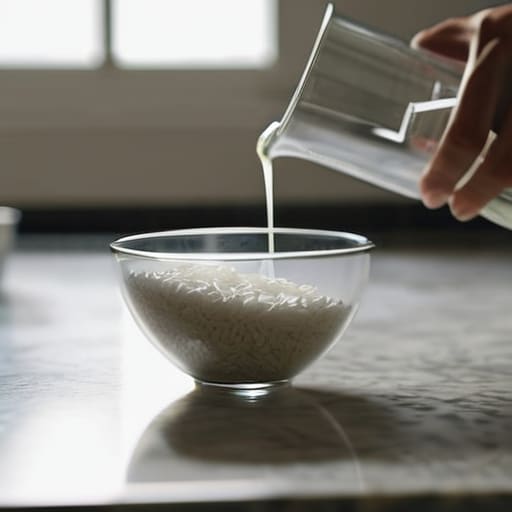
Most people treat rice like a guessing game, tossing grains into a pot and hoping for the best. That’s a recipe for a wasted meal. If you want to stop dealing with that gummy, unappealing texture, you have to respect the rice to water ratio. For standard long-grain varieties, I stick to a strict 1:2 rule—one cup of rice to two cups of water. It’s a simple system that removes the mental load of “eyeballing it” every single night.
However, if you’re cooking jasmine rice, you need to dial that moisture back just a hair. I usually drop to a 1:1.5 ratio to ensure the grains stay distinct and fragrant rather than clumping together. Before you even touch the stove, do not skip the most important preparatory step: rinsing white rice under cold water until the liquid runs clear. This washes away the excess surface starch that causes most people to end up with a sticky mess. It takes thirty seconds, but it’s the difference between a culinary failure and a reliable, repeatable result.
The Secret to Rinsing White Rice for Flawless Texture
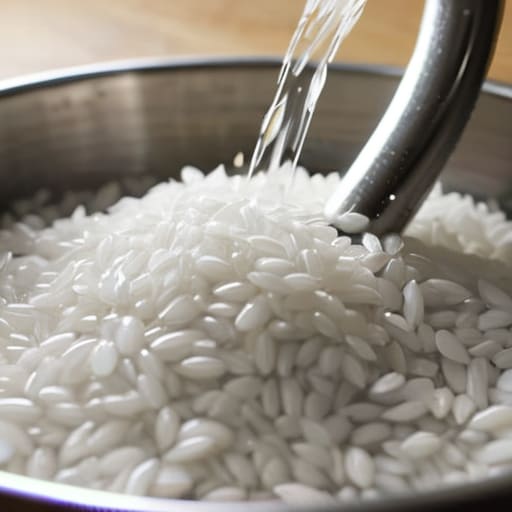
Most people treat rinsing as an optional step, but if you want to avoid the nightmare of gummy, clumping grains, it’s non-negotiable. When you buy a bag of rice, it’s coated in excess surface starch. If you skip this step, that starch turns into a literal glue during the boil, leaving you with a bowl of paste rather than distinct, fluffy grains. I’ve learned the hard way that rinsing white rice isn’t about cleaning it; it’s about managing the texture.
Don’t bother with fancy colanders that take forever to clean. Just put your rice in a bowl, fill it with cold water, swirl it around with your hand, and pour the cloudy water out. Repeat this until the water runs mostly clear. It takes maybe sixty seconds, but it’s the single most effective way of avoiding mushy rice. Whether you are cooking jasmine rice or a standard long-grain variety, this simple mechanical process ensures every grain stays separate and clean. It’s a small, repeatable system that pays off every single time you sit down to eat.
Five Small Adjustments for Better Results
- Stop hovering over the stove; once the lid is on and the heat is down, leave it alone. Every time you peek, you lose steam and mess with the temperature equilibrium.
- Invest in a decent heavy-bottomed pot. If you’re using a thin, cheap saucepan, you’re going to end up with scorched bottoms and unevenly cooked grains every single time.
- Use the “rest period” to your advantage. When the timer goes off, don’t just dump the rice into a bowl. Let it sit, lid on, for at least ten minutes to let the moisture redistribute.
- Ditch the fork. If you stir the rice while it’s cooking, you’re going to break the grains and end up with a mushy mess. Use a wooden spoon or a rice paddle only when absolutely necessary.
- Season as you go. A tiny pinch of salt in the boiling water doesn’t just add flavor; it helps season the grain from the inside out so the rice actually tastes like food, not just starch.
The Bottom Line for Perfect Rice
Stop eyeballing it; find a reliable ratio for your specific grain and stick to it so you aren’t wasting ingredients on mushy mistakes.
Don’t skip the rinse—getting rid of that excess surface starch is the only way to ensure your rice is actually fluffy rather than a sticky clump.
Let the rice sit and steam after the heat is off; rushing the process is the fastest way to end up with unevenly cooked grains.
## The Philosophy of the Perfect Grain
“Cooking rice shouldn’t be a daily mental drain; it’s about setting up a reliable system so you can stop worrying about the pot and start focusing on the meal.”
Liam Anders Chen
Stop Overthinking and Start Eating
At the end of the day, cooking great rice isn’t about some complex culinary degree; it’s about mastering two simple variables: your ratio and your rinse. Once you stop guessing with the water levels and actually take the thirty seconds to wash away that excess starch, you remove the biggest hurdles to a perfect meal. You don’t need fancy gadgets or expensive rice cookers to get this right—just a bit of intentionality and the right measurements. Stick to these fundamentals, and you’ll find that you’re spending far less time staring at a pot of mush and more time actually enjoying the meal you just prepared.
My philosophy has always been that the smallest systems yield the biggest returns on your time and energy. When you nail these minor kitchen details, you aren’t just making better food; you’re eliminating a daily source of friction. Don’t let a mediocre bowl of rice be the thing that ruins your evening flow. Take these steps, trust the process, and reclaim your kitchen from the chaos of trial and error. You’ve got a busy life to lead, so let’s make sure your dinner is the easiest part of your day, not another problem to solve.
Frequently Asked Questions
What do I do if I accidentally end up with mushy or undercooked rice?
Don’t panic; it’s just a system error, not a total loss. If it’s mushy, you overshot the water. Spread it thin on a baking sheet to let the excess moisture evaporate quickly. If it’s undercooked and crunchy, add a splash of water, pop a lid on, and let it steam on the lowest heat for five minutes. It’s a quick fix so you can stop stressing and just eat.
Can I use the same ratio for brown rice, or does that require a completely different system?
Don’t even try it. If you swap white for brown using the same ratio, you’ll end up with a pot of crunchy, undercooked disappointment. Brown rice is a different beast because of that outer bran layer; it needs more hydration and, more importantly, more time. Think of it as a different system entirely. Stick to a 2:1 ratio and give it a longer soak. It’s more patience, but the texture is worth the extra ten minutes.
Is it actually worth using a rice cooker, or can I consistently get these results on a standard stovetop?
Look, if you’re looking for absolute precision with zero mental overhead, get a rice cooker. It’s a “set it and forget it” system that eliminates the risk of burning a pot while you’re multitasking. But if you want to save counter space and avoid another appliance, the stovetop works perfectly fine—provided you follow my ratio and don’t lift the lid. For me? The stovetop is efficient enough once you master the rhythm.