I remember standing in my first tiny apartment, staring at a half-dead Monstera and feeling like a total failure because I hadn’t bought the $50 “specialized organic nutrient mist” the boutique shop promised would save it. It was a ridiculous waste of money and mental energy. Most people make learning how to care for houseplants feel like a high-stakes chemistry experiment involving expensive sensors and complicated light spectrums, but that’s just noise. You don’t need a PhD or a massive budget to keep things green; you just need to stop letting the marketing hype dictate your routine.
I’m not here to sell you on a lifestyle of constant plant maintenance or a cabinet full of niche fertilizers. My goal is to give you a functional system that actually works with your schedule, not against it. I’m going to strip away the fluff and show you the exact, repeatable steps I use to keep my space lush without it becoming a second job. This is about minimalist maintenance—simple, logical habits that ensure your plants thrive while you focus on your actual life.
Table of Contents
Mastering Indoor Plant Light Requirements Without the Guesswork
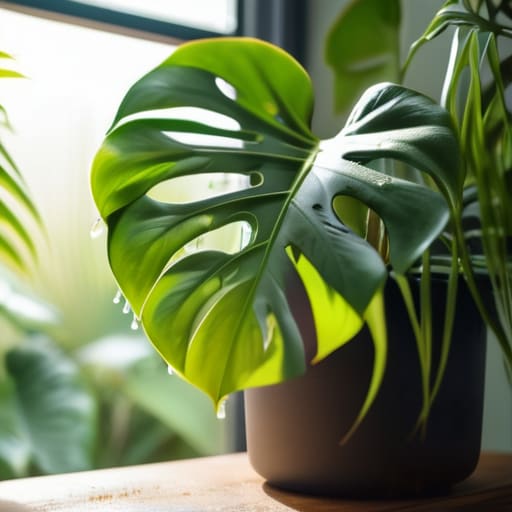
Most people treat light like a guessing game, placing a plant in a corner and hoping for the best. That’s a recipe for frustration. To stop the cycle of dying leaves, you need to understand indoor plant light requirements as a functional system rather than a mystery. I always tell people to stop looking at the sky and start looking at your windows. A south-facing window is your high-intensity zone, while north-facing spots are your low-light zones. If you can’t read a book in that corner without turning on a lamp, your plant isn’t going to thrive there either.
Don’t get bogged down in complex lumen measurements; just observe how the shadows fall. If a plant’s leaves are turning scorched or crispy, it’s getting too much direct heat. If it’s getting “leggy”—stretching toward the glass like it’s reaching for survival—it’s starving for light. Once you map out your home’s light zones, you can stop the trial and error. Match the plant to the window, and you’ve already won half the battle.
Finding the Best Soil for Houseplants to Minimize Effort
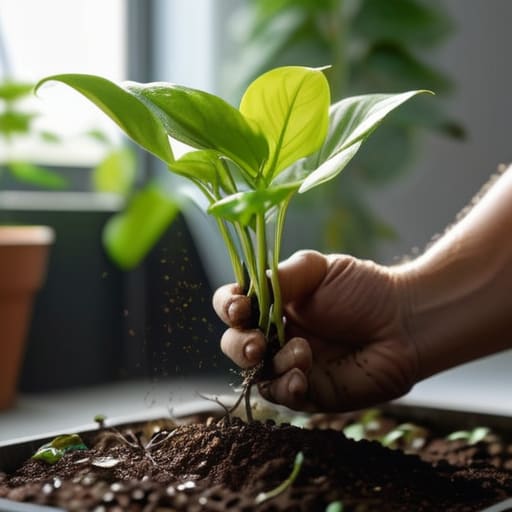
Look, I’ve spent enough time watching plants die in expensive, heavy ceramic pots to know that most people get the foundation wrong. You can nail the indoor plant light requirements perfectly, but if you’ve shoved your pothos into dense, suffocating peat moss that stays soggy for two weeks, you’ve already lost the battle. The secret to reclaiming your time isn’t buying more gadgets; it’s finding the best soil for houseplants that actually handles the heavy lifting for you.
I prefer a “set it and forget it” approach, which means choosing a mix that prioritizes drainage. For most of my collection, I skip the generic, single-ingredient bags at the big-box stores. Instead, I look for a high-quality potting mix that already has perlite or pumice integrated. This creates the aeration needed to prevent root rot—the silent killer of most indoor greenery. If you’re dealing with more sensitive species, you might need to adjust the humidity for tropical indoor plants by adding extra coco coir, but for 90% of your collection, a well-draining, gritty mix is the only system you really need to keep things running smoothly.
Five Systems to Stop the Guesswork and Keep Your Plants Alive
- Stop the “Schedule” Trap: Forget the idea that you need to water every Monday. Instead, use the finger test. Stick your finger an inch into the soil; if it’s dry, water it. If it’s damp, walk away. This simple check prevents the #1 killer of houseplants: overwatering.
- Invest in Drainage, Not Just Pots: I’ve seen too many people buy beautiful ceramic pots that have no holes at the bottom. If your pot doesn’t drain, your plant is essentially sitting in a swamp. If you love a decorative pot, keep the plant in its plastic nursery liner and just drop it inside. It’s a small tweak that saves a lot of dead plants.
- Group Your Greenery for Better Humidity: Most people don’t realize that tropical plants crave humidity, which our dry indoor air lacks. Instead of buying a fancy, high-maintenance humidifier, just group your plants together. They actually create their own microclimate through transpiration, making it easier for all of them to thrive with less effort from you.
- Clean the Leaves to Let Them Breathe: Dust isn’t just an aesthetic issue; it’s a functional one. A layer of dust on your leaves acts like a shroud, blocking the sunlight your plant needs for photosynthesis. Once a month, take a damp cloth and wipe the leaves down. It takes two minutes and keeps the “engine” of your plant running efficiently.
- Learn the “One New Thing” Rule: Don’t try to turn your apartment into a jungle overnight. Pick one plant, learn its specific quirks, and get that routine down. Once you have a system for that one, add the next. It keeps the hobby from becoming another overwhelming chore on your to-do list.
The Low-Maintenance Plant Strategy
Stop guessing and start observing; once you nail down the light and soil, your only real job is to check the moisture levels before you reach for the watering can.
Buy quality soil once so you aren’t constantly fighting drainage issues or nutrient deficiencies that turn plant care into a second job.
Treat plant care like a system, not a chore—set a specific day for a quick check-in so it stays a five-minute task rather than a weekend project.
## Systems Over Sentiment
“Stop treating your plants like delicate art pieces that require constant emotional labor; treat them like a simple system of inputs and outputs. Get the light right, automate the watering, and then step away so you can actually enjoy the view.”
Liam Anders Chen
Stop Managing, Start Living
At the end of the day, keeping plants alive shouldn’t feel like a second job. We’ve covered the essentials: get the light right so you aren’t guessing, and invest in high-quality soil so you aren’t constantly fighting nutrient deficiencies. Once you have these two foundational systems in place, most of the heavy lifting is already done. You don’t need a degree in botany or a dozen expensive gadgets; you just need to eliminate the variables that cause failure. Stick to a simple routine, observe how your plants react to their environment, and stop overcomplicating the process.
I know what it’s like to feel overwhelmed by a growing list of “must-dos,” but your home should be a sanctuary, not a source of stress. These plants are meant to bring life into your space, not more clutter to your mental load. Treat your plant care like any other efficient system: set it up correctly once, let it run, and then get back to what actually matters. The goal isn’t to become a master gardener; it’s to build a sustainable environment that thrives while you focus on actually living your life.
Frequently Asked Questions
How do I know if I'm actually overwatering or if the soil just stays damp too long?
Look, there’s a massive difference between wet soil and a drowning plant. If the top inch of soil feels damp, leave it alone. But if you’re sticking your finger in and it feels like a sponge even three days later, you’ve got a drainage problem, not a watering problem. Check your pot—if there’s no drainage hole, you’re essentially asking for root rot. Fix the system, don’t just keep pouring water.
What’s the simplest way to handle fertilizing without turning it into a weekly chore?
Stop treating fertilizing like a high-maintenance ritual. You don’t need a complex schedule; you just need a system. I use a high-quality, water-soluble liquid fertilizer once a month during the growing season. Mix it into your watering can, feed them, and you’re done. It takes thirty seconds. If you’re even busier, grab some slow-release granules and top-dress the soil once every few months. Set a recurring calendar alert, do it, and get back to your life.
Are there specific plants that are basically bulletproof for someone with a busy schedule?
If you’re running low on bandwidth, stop hunting for temperamental tropicals. You need “set it and forget it” plants. I always recommend Snake Plants or ZZ Plants; they thrive on neglect and can handle low light without throwing a tantrum. If you want something that actually grows but won’t die if you miss a week, go with a Pothos. They’re resilient, easy to propagate, and won’t add more chaos to your schedule.