I used to think that learning how to cook fish required a culinary degree or a kitchen full of specialized gadgets I didn’t have the time to clean. I spent years avoiding the seafood aisle because every recipe I found online felt like a high-stakes engineering project involving sous-vide machines and obscure French techniques. It’s exhausting. Most people make it sound so much more complicated than it actually is, turning a simple protein into a source of constant anxiety instead of a quick, nutritious win for a busy weeknight.
I’m not here to give you a lecture on flavor profiles or a list of expensive equipment you’ll never use. My goal is to strip away the noise and give you a functional system that works every single time. I’m going to show you the most efficient, no-nonsense way to handle a fillet so you can stop worrying about overcooking it and start actually enjoying your dinner. We’re going to focus on the variables that actually matter—heat, timing, and minimal prep—so you can master the basics and get back to your life.
Table of Contents
Choosing the Best Fish for Beginners Without the Stress
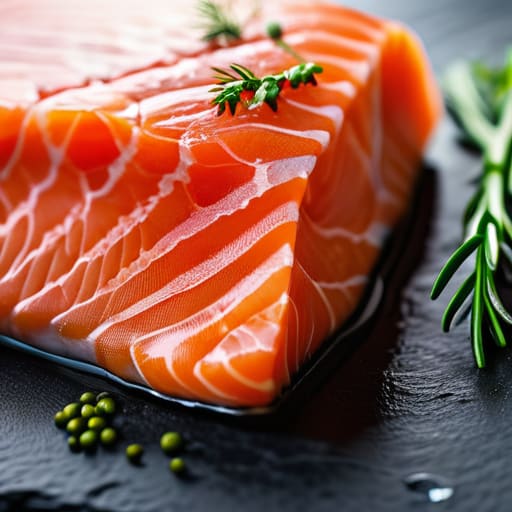
Look, the seafood counter can feel like a high-stakes interrogation if you aren’t prepared. You see twenty different species, all looking vaguely similar, and suddenly you’re paralyzed by the fear of buying something that turns into rubber in the pan. My advice? Keep it simple. Start with something forgiving like salmon or a thick white fish like halibut. These are the best fish for beginners because they have enough fat and structure to handle a little bit of error while you’re still finding your rhythm.
Avoid the delicate, flaky stuff like sole or tilapia for your first few attempts; they’re too temperamental and will fall apart the moment you look at them wrong. Instead, aim for fillets that feel firm to the touch. If you’re looking to master pan searing techniques, you want a piece of fish that can actually hold its shape against the heat. Once you have a reliable “go-to” species that you know performs well every time, you’ll stop viewing the grocery store as a battlefield and start seeing it as a place to grab high-quality fuel for your week.
Simple Ways to Master How to Season Seafood
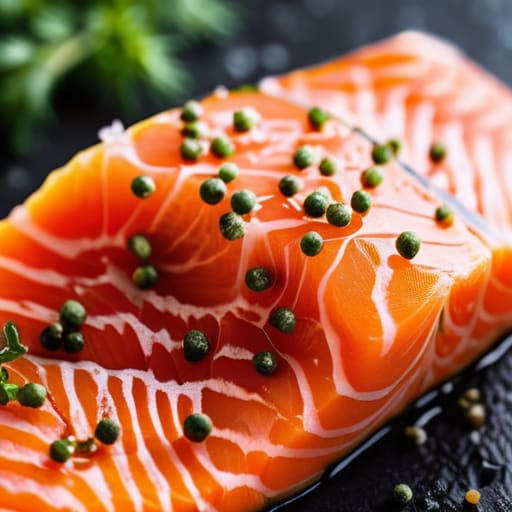
Look, you don’t need a spice rack full of exotic powders to make this work. When it comes to learning how to season seafood, my philosophy is simple: don’t mask the flavor, just enhance it. Start with the basics—flaky sea salt and freshly cracked black pepper. That’s it. If you’re working with a mild white fish, a squeeze of lemon and a little dried parsley goes a long way. If you’re using something heartier like salmon, don’t be afraid to lean into garlic powder or even a touch of smoked paprika.
The biggest mistake I see people make is seasoning too early. If you salt your fish and let it sit on the counter for twenty minutes, you’re essentially curing it, which draws out moisture and ruins that delicate texture. I prefer to pat the fillets bone-dry with a paper towel first, then apply my seasoning immediately before the fish hits the heat. This keeps the exterior crisp and ensures the seasoning actually sticks where it belongs, rather than washing off into the oil.
Five No-Nonsense Rules for a Perfect Sear
- Pat the skin bone-dry with a paper towel before it touches the pan. If it’s damp, it’s going to steam instead of crisp, and nobody wants a soggy fillet.
- Don’t touch it. Once the fish hits the hot oil, leave it alone. If you try to flip it too early and it sticks, you haven’t given it enough time to develop that golden crust.
- Get your pan hot before you even think about adding the fish. I like to see a tiny bit of shimmer in the oil; that’s your signal that the heat is ready to work.
- Use a thermometer, not guesswork. Aim for an internal temperature of 145°F (63°C), but pull it off the heat just a minute or two early. Residual heat will finish the job without drying it out.
- Keep your tools simple. You don’t need a professional chef’s kit; a heavy-bottomed skillet and a thin metal spatula are all you really need to get the job done right.
Three Rules to Keep Your Kitchen Calm
Don’t let a complex recipe dictate your night; stick to high-quality fish, simple seasoning, and heat control.
Prioritize temperature over timing—if you can’t tell if it’s done by looking at a clock, use a thermometer and move on.
Keep your station clean as you go so you aren’t staring at a mountain of dishes once the meal is actually finished.
The Philosophy of the Pan
“Stop treating a piece of fish like a complex engineering problem. You don’t need a dozen exotic spices or a culinary degree; you just need high heat, a good pan, and the confidence to stop hovering over the stove.”
Liam Anders Chen
Stop Overthinking the Plate
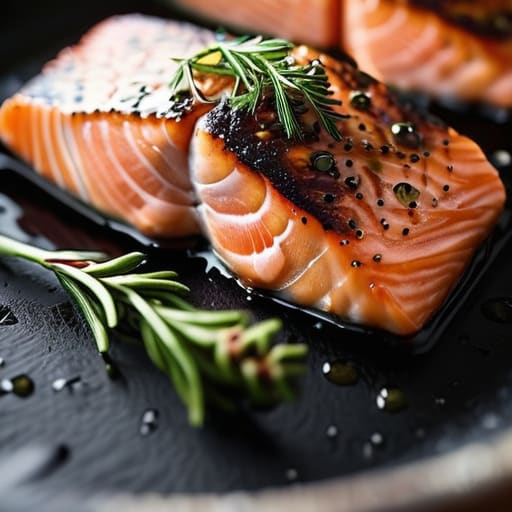
At the end of the day, cooking fish doesn’t need to be a high-stakes culinary exam. We’ve covered the essentials: pick a reliable piece of fish that doesn’t intimidate you, keep your seasoning simple so you can actually taste the quality of the ingredient, and focus on getting your heat right. You don’t need a kitchen full of specialized gadgets or a degree in molecular gastronomy to get this right. Once you strip away the intimidation factor, you’re left with a process that is efficient, repeatable, and incredibly rewarding. Just remember that precision beats complexity every single time.
My philosophy has always been about reclaiming your time. If a recipe takes two hours and requires ten different spices just to make a fillet edible, it’s a bad system. Cooking should be a way to fuel your life, not a source of unnecessary mental clutter. So, grab your pan, trust your instincts, and don’t be afraid to make a few mistakes along the way—that’s just part of the calibration process. The goal isn’t perfection; it’s about mastering a skill that allows you to spend less time worrying about the stove and more time enjoying the meal.
Frequently Asked Questions
How do I actually tell if the fish is done without cutting into it and losing all the juices?
Stop cutting into it—you’re just bleeding out all the flavor. Instead, use your eyes and a fork. Look for the “flake test”: gently press the thickest part with a fork; if the flesh separates easily along the natural lines, it’s ready. If you want to be precise, grab an instant-read thermometer. Aim for 145°F (63°C) for most fish. It’s a small tool, but it eliminates the guesswork entirely.
What’s the best way to clean and prep a whole fish if I don't want to make a massive mess in my kitchen?
Look, I get it—cleaning a whole fish feels like a recipe for a kitchen disaster. To keep the mess contained, do everything inside a large, rimmed baking sheet or a dedicated prep tray. This catches the scales and fluids before they hit your counters. If you’re scaling it, keep the fish in the sink with a colander underneath. It’s a small, repeatable system that saves you twenty minutes of scrubbing later.
Can I use frozen fillets, or am I going to end up with a soggy, textureless disaster?
You absolutely can use frozen fillets, but you have to handle them with intent. If you throw a frozen block straight into a pan, you’re asking for a soggy, textureless disaster. The trick is a controlled thaw in the fridge overnight. Once it’s thawed, pat it bone-dry with paper towels. Moisture is the enemy of a good sear; if you eliminate that surface water, you’ll get the crust you’re actually looking for.