I’ve spent way too much time watching “gourmet” cooking channels turn a simple breakfast into a high-stakes engineering project involving sous-vide machines and temperature-controlled immersion circulators. It’s exhausting. If you’re looking for a complicated way to justify a $50 kitchen gadget, you’re in the wrong place. The truth is, most people overthink how to cook eggs because they’ve been sold the lie that culinary perfection requires a degree in chemistry. In reality, all you need is a decent pan, a bit of heat management, and the ability to stop fussing once the texture is right.
I’m not here to give you a lecture or a list of unnecessary flourishes. My goal is to strip away the kitchen noise and give you a few reliable, repeatable systems that actually work when you’re running on five hours of sleep. I’ll show you the most efficient ways to master the basics so you can get a high-quality meal on the table without the mental clutter. We’re going to focus on functional simplicity—getting you from a hungry, distracted state to a finished plate in under five minutes.
Table of Contents
The Best Pan for Eggs Simplify Your Morning Setup
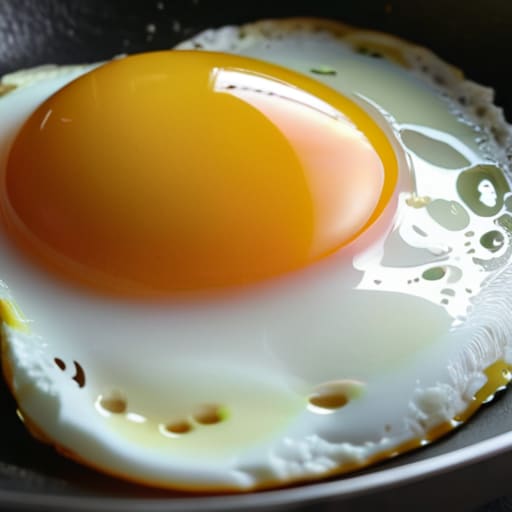
Look, you don’t need a professional chef’s kitchen or a collection of expensive copper pans to get this right. In my experience, the biggest mistake people make is overthinking the gear. If you’re hunting for the best pan for eggs, stop looking at the flashy sets and start looking at surface tension. A high-quality, non-stick skillet is your best friend here. It’s about reducing friction so you aren’t fighting the pan every single morning.
I’ve spent way too much time cleaning up charred, stuck-on bits because I tried to use a cast iron skillet that wasn’t perfectly seasoned. It’s a waste of time and mental energy. A simple, well-maintained non-stick pan ensures that whether you’re aiming for creamy results or something more structured, the egg slides right off. This isn’t about being fancy; it’s about streamlining your workflow. Get a reliable pan, keep it clean, and you’ve already eliminated half the stress of your morning routine.
Decoding Egg Protein Science for Effortless Results
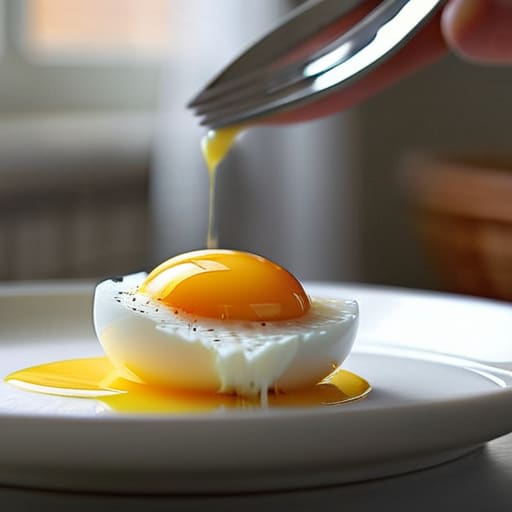
You don’t need a degree in biochemistry to get a good breakfast, but understanding a little bit of egg protein science will save you from the heartbreak of a rubbery mess. Think of an egg as a collection of proteins that are tightly coiled up like springs. When you apply heat, those springs uncoil and then bond together to form a solid structure. The problem is that if you push that heat too far, those bonds become too tight, squeezing out all the moisture and leaving you with something that feels more like a pencil eraser than food.
The secret to mastering different styles comes down to controlling the rate of that protein bonding. If you’re looking for silky, soft results, you need to manage your egg cooking temperatures with precision—low and slow is your best friend here. For instance, if you’re aiming for creamy scrambled eggs, pulling them off the heat while they still look slightly “wet” is vital because residual heat will finish the job on the plate. It’s all about hitting that sweet spot where the proteins set just enough to hold their shape without losing their soul.
Five Rules to Stop Overthinking Your Breakfast
- Master the heat, not the timer. Most people burn their eggs because they treat a stove like an oven. Keep your heat at medium-low; it’s better to wait an extra minute than to spend five minutes scraping charred protein off your pan.
- Use fresh eggs for better structure. If you’re poaching or frying, older eggs tend to spread out like a puddle. Fresh eggs have thicker whites that stay tight and contained, saving you the frustration of a messy plate.
- Salt at the right time. If you’re making scrambled eggs, salt them right before they hit the pan. Salting too early can draw out moisture and turn your eggs into a watery mess—and nobody has time for that in the morning.
- Keep your tools minimal. You don’t need a dozen gadgets. A single silicone spatula is all you really need to move eggs around without scratching your pan or breaking the yolk. One tool, one job, no clutter.
- Embrace the “carry-over” cook. Eggs continue to cook for a few seconds after you take them off the heat. Pull them off the stove when they look slightly wetter than you want them; by the time you sit down at the table, they’ll be perfect.
The Bottom Line: Less Effort, Better Eggs
Stop hunting for the “perfect” pan; just grab a well-seasoned cast iron or a decent non-stick and focus on heat control instead.
Respect the science by not rushing the heat—low and slow prevents that rubbery texture that ruins a good breakfast.
Strip away the fancy gadgets and just master the basics so you can spend less time at the stove and more time actually enjoying your morning.
The Philosophy of the Perfect Egg
Cooking an egg isn’t about following a complex recipe; it’s about mastering a single, repeatable system so you can stop thinking about breakfast and start focusing on your day.
Liam Anders Chen
Stop Overthinking Your Breakfast
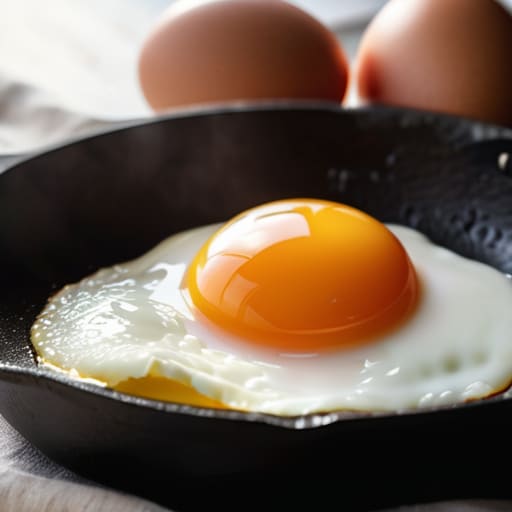
At the end of the day, mastering eggs isn’t about following a complicated culinary blueprint; it’s about understanding your tools and the physics of the pan. We’ve covered the essentials: pick a pan that actually performs, respect the protein science to avoid that rubbery texture, and keep your heat under control. When you stop fighting your equipment and start working with it, you move from a state of kitchen chaos to a state of controlled execution. You don’t need a professional kitchen or a dozen specialized gadgets to get this right—just a decent pan, a bit of heat, and the right approach to minimizing friction in your morning routine.
I know how easy it is to let a simple task like making breakfast turn into a stressful hurdle in an already packed schedule. But my philosophy has always been that the small wins matter. When you streamline these tiny, repetitive moments, you reclaim more than just a few minutes; you reclaim your mental clarity. Don’t let a messy cookout derail your momentum for the day. Get your eggs right, clear your workspace, and get out the door ready to tackle whatever comes next. Life is too short to spend it wrestling with a breakfast that didn’t turn out right.
Frequently Asked Questions
How do I stop my eggs from sticking to the pan if I'm not using a ton of butter?
Look, I get it. You don’t want a grease slick on your plate, but you also don’t want to spend ten minutes scrubbing a ruined pan. The trick isn’t more butter; it’s heat management. Most people rush it. Get your pan to medium-low, add a tiny bit of oil, and wait. If the oil isn’t shimmering slightly, it’s not ready. Once it is, drop the eggs in. Control the temp, and the eggs will release themselves.
What's the fastest way to get a perfect soft-boiled egg without constantly checking the timer?
Forget the stopwatch. If you want consistency without the mental load, use the “boiling water start” method. Bring your water to a boil, lower the eggs in gently, then immediately kill the heat and cover the pan with a lid. Let them sit for exactly six minutes. The residual heat does the heavy lifting for you. It’s a simple, repeatable system that removes the guesswork so you can get on with your morning.
Is there a way to prep eggs in advance so I'm not scrambling every single morning?
Batch-prepping is a game changer for your morning mental bandwidth. I usually spend Sunday evening hard-boiling a dozen eggs; they stay perfect in the fridge for a week and act as an instant, grab-and-go protein hit. If you prefer something more substantial, make a batch of egg muffins in a silicone tray. Pop them in the oven, let them cool, and you’ve got a grab-and-go breakfast that actually tastes decent. Stop deciding every morning and just execute.