I remember sitting on my floor three years ago, surrounded by half-assembled tech projects and stacks of “essential” gadgets I hadn’t touched in months, feeling like I was drowning in my own apartment. I had followed all the trendy advice, but my space still felt heavy, cluttered, and exhausting to maintain. Most people think that finding effective minimalist home tips means buying expensive white furniture or living in a sterile, empty box, but that’s just marketing nonsense. Real minimalism isn’t about how much you can strip away to look good on Instagram; it’s about removing the friction that prevents you from actually enjoying your space.
I’m not here to sell you a lifestyle aesthetic or a collection of overpriced organizers. Instead, I’m going to share the exact, systems-based approach I used to reclaim my sanity and my square footage. I’ll give you practical, no-nonsense strategies to audit your belongings and build a home that works for you, rather than you working for your home. We’re going to cut through the fluff and focus on what actually creates mental clarity, so you can finally stop managing your stuff and start living your life.
Table of Contents
Mastering Decluttering Techniques for Beginners
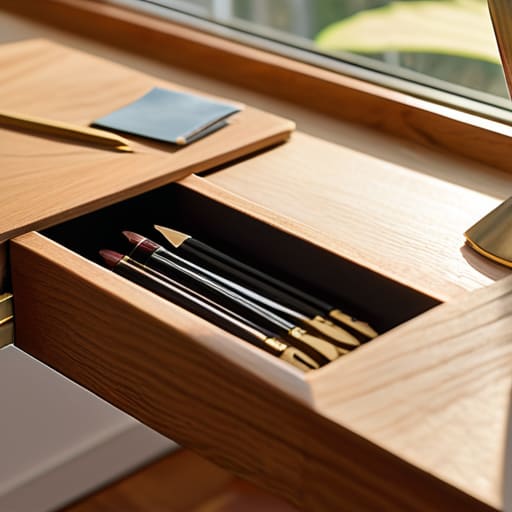
Most people fail at decluttering because they try to tackle the entire house in a single weekend. That’s a recipe for burnout and a half-finished mess sitting in your living room. Instead, I use a system-based approach: start with one drawer, one shelf, or even just one corner of a desk. When you focus on small, manageable wins, you aren’t just moving piles around; you are actually reducing household clutter in a way that sticks.
I’ve learned that the secret isn’t just about throwing things away—it’s about deciding what actually earns a spot in your life. I call it the “utility test.” If a tool is broken or a gadget hasn’t been touched in a year, it’s dead weight. As you go through these decluttering techniques for beginners, don’t just ask “Can I use this?” Ask, “Does this serve my current lifestyle?” If the answer is no, let it go. This shift in mindset turns a chore into a way of reclaiming your space and your mental clarity.
Creating Intentional Living Spaces That Breathe
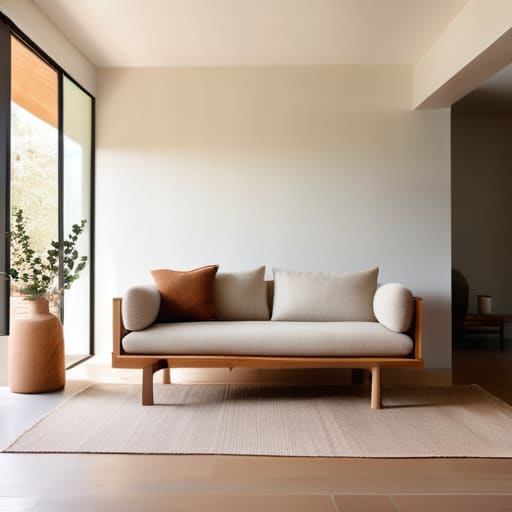
Once you’ve tackled the initial mess using basic decluttering techniques for beginners, you need to stop thinking about your house as a storage unit and start seeing it as a functional system. Most people make the mistake of just emptying a room, only to fill it back up with “stuff” a month later. To avoid that cycle, you have to apply some basic minimalist interior design principles to how you arrange your space. It isn’t about living in a white box with one chair; it’s about ensuring every single object in your line of sight serves a purpose or actually brings you a sense of calm.
I like to treat my living room like a well-oiled machine. If a piece of furniture doesn’t facilitate rest or connection, it’s just friction. When you focus on creating intentional living spaces, you realize that breathing room is more valuable than a collection of decorative trinkets. Leave some empty space on your shelves and some open floor area. This isn’t just about aesthetics; it’s about reducing mental load by removing the visual noise that constantly pulls at your attention.
Five Systems to Keep the Chaos at Bay
- Stop buying “just in case” items. I used to fill my cabinets with gadgets I thought I might need one day, but those items just became mental clutter. If you haven’t used it in six months, it’s not a tool; it’s an obstacle.
- Implement a “one in, one out” rule for everything. Whether it’s a new mechanical keyboard part or a kitchen utensil, something else has to leave the house to make room. This keeps your inventory stable and prevents that slow, creeping overflow.
- Designate a “landing strip” near your entrance. I keep a small tray for my keys, wallet, and that precision screwdriver I always carry. If everything has a specific home the second you walk through the door, you stop wasting twenty minutes every morning hunting for your essentials.
- Audit your digital-physical overlap. We often forget that a cluttered desktop or a pile of unused charging cables is just as draining as a messy countertop. Clear your surfaces of tech junk to give your eyes—and your brain—a place to rest.
- Use the “surface reset” method every night. Before I head to bed, I spend exactly five minutes clearing the main surfaces—the dining table, the kitchen island, the desk. Starting the next morning with a clean slate is the simplest way to reclaim your mental clarity.
The Bottom Line: Systems Over Stuff
Stop treating organization like a weekend project and start seeing it as a daily maintenance routine; small, repeatable habits beat massive, overwhelming cleanouts every single time.
If a tool or an object doesn’t serve a clear function or bring you genuine utility, it’s just friction in your environment—get rid of it.
Your home should be a launchpad for your life, not a warehouse for your past decisions; keep your spaces clear so you can focus on what actually matters.
The Cost of Clutter
“Your home shouldn’t be a warehouse for things you meant to use but never did; stop managing your inventory and start reclaiming your space.”
Liam Anders Chen
The System is Only the Beginning
At the end of the day, minimalism isn’t about living in a white box with nothing but a single chair and a lamp. It’s about the mechanics of your environment—applying the same logic I use when restoring a vintage keyboard to the way you manage your living room. We’ve covered how to tackle the initial decluttering mountain, how to curate spaces that actually serve a purpose, and how to keep the chaos at bay. By implementing these small, repeatable systems, you aren’t just cleaning a room; you are optimizing your personal infrastructure to ensure that your home works for you, rather than you working for your home.
Don’t let the pursuit of perfection become another item on your overwhelming to-do list. If you try to overhaul your entire life in a single weekend, you’ll burn out by Tuesday. Instead, pick one drawer, one shelf, or one corner of a room and apply these principles there. The goal is to reclaim your mental clarity one small win at a time. Strip away the excess, silence the noise, and make room for the things that actually matter. You didn’t build a life just to spend it managing stuff; start living it.
Frequently Asked Questions
How do I decide what's actually "clutter" versus something I might need for a future project?
Here’s the rule I live by: If you haven’t touched it in twelve months, it’s not a “resource,” it’s a weight. We often hoard “just in case” items to soothe a fear of future scarcity, but that’s just clutter in disguise. If it’s truly essential for a project, you can buy it again for a few bucks later. Don’t trade your current mental clarity for a hypothetical project that might never happen.
I live in a small apartment with very little storage; is minimalism even realistic for me?
Honestly? It’s actually more realistic for you than for someone in a house. When you’re tight on square footage, every single object has to earn its keep. In a small apartment, clutter isn’t just an eyesore; it’s a physical barrier to moving around. Don’t look at your lack of storage as a limitation—look at it as a built-in filter. If it doesn’t serve a purpose or bring you genuine peace, it’s just taking up your air.
How do I handle sentimental items like old photos or gifts without feeling like I'm losing my history?
Look, I get it. Tossing a gift or a photo feels like you’re erasing a piece of yourself. But your history isn’t stored in a cardboard box; it’s in your head. I handle this by digitizing the bulk. Scan the photos, keep the best prints, and let the rest go to the cloud. For physical gifts, ask yourself: does this object actually serve my life now, or is it just heavy? Keep the meaning, lose the clutter.