I remember sitting on the floor of my first studio apartment, surrounded by half-unpacked boxes and the overwhelming realization that my life was literally overflowing onto the floor. I couldn’t even find my precision screwdriver to fix a loose cabinet hinge because every flat surface was buried under “stuff” I didn’t even need. Most people will tell you that you need a massive budget or a complete renovation to master small space organization, but honestly? That’s a lie designed to sell you expensive, aesthetic bins you don’t actually need. The truth is, you don’t have a space problem; you have a systems problem.
I’m not here to show you a Pinterest-perfect showroom that looks good for five minutes before falling into chaos again. Instead, I’m going to share the exact, high-efficiency frameworks I use to keep my own life running smoothly within a limited footprint. We are going to strip away the fluff and focus on functional layouts and repeatable habits that actually work. My goal is to help you stop managing your clutter and start reclaiming your mental clarity by making your home work for you, not against you.
Table of Contents
Decluttering Tiny Apartments to Reclaim Your Sanity
Before you even think about buying a single plastic bin or a new shelf, you have to face the hard truth: you can’t organize your way out of having too much stuff. I spent years trying to “systematize” my chaos by buying more containers, only to realize I was just managing more junk. The first step to decluttering tiny apartments isn’t about finding a place for everything; it’s about deciding what actually deserves a place in your life. If you haven’t touched it in six months, it’s just taking up mental bandwidth you don’t have.
Once the excess is gone, stop looking at your floor and start looking at your walls. In a cramped studio, floor space is your most precious commodity. This is where vertical storage solutions become your best friend. Think about tall, narrow shelving units or even floating ledges that draw the eye upward. By moving your belongings off the ground and onto the walls, you break that feeling of being boxed in. It’s about creating a sense of visual breathing room so your home feels like a sanctuary rather than a storage unit.
Vertical Storage Solutions That Stop the Chaos
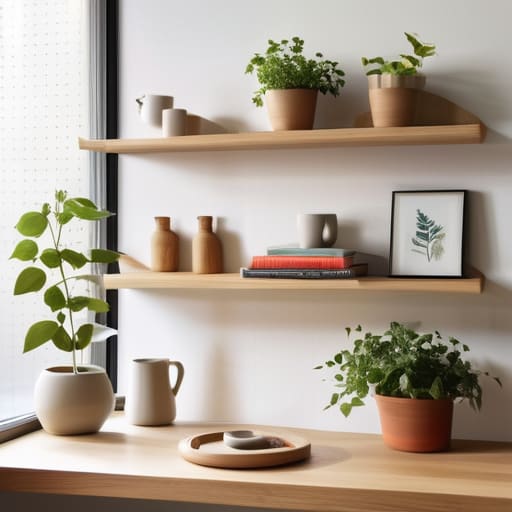
When you’re living in a tight footprint, your floor is your most precious real estate—stop wasting it. I’ve learned the hard way that if you don’t look up, you’re missing half your potential square footage. Instead of letting piles of books or mail accumulate on your coffee table, start thinking about your walls. I’m a big believer in heavy-duty floating shelves or even pegboards for the kitchen. It’s not just about aesthetics; it’s about reclaiming your surface area so you aren’t constantly moving a stack of things just to set down a coffee mug.
If you can’t go up, go deep. I always tell people to look at the “dead zones” in their layout. This is where vertical storage solutions like tall, narrow bookcases or over-the-door organizers become lifesavers. If you’re struggling with seasonal gear, don’t let it sit in a heap in the corner. Invest in some decent under-bed storage hacks—specifically slim, rolling bins—to keep your extra linens or winter coats out of sight. The goal isn’t to fill every inch of your home, but to engineer a system where everything has a designated home that doesn’t obstruct your movement.
Five Systems to Stop the Small-Space Spiral
- Stop treating your surfaces like storage bins. If it doesn’t have a dedicated “home” on a shelf or in a drawer, it’s just clutter waiting to happen. I’ve learned the hard way that a clear countertop isn’t just about aesthetics; it’s about mental clarity.
- Invest in the “hidden” real estate. Look under your bed, above your cabinets, and inside your closet doors. I use slim, rolling bins under my bed for things I only need once a season—it keeps them out of sight but easy to grab when the time comes.
- Use the “One In, One Out” rule religiously. In a small apartment, space is a zero-sum game. If you bring a new gadget or a new shirt into your home, something else has to leave. It sounds strict, but it’s the only way to prevent the slow creep of chaos.
- Standardize your containers. I’m a bit of a perfectionist when it comes to my gear, and I apply that here. Using uniform bins or containers in your pantry or closet prevents that “visual noise” that makes a small room feel cramped and messy.
- Audit your zones weekly. Take ten minutes every Sunday to reset your most-used areas. If your entryway is a mountain of mail or your desk is a graveyard of coffee mugs, fix it immediately. Small systems prevent big messes.
The Bottom Line: Systems Over Stuff
Stop treating your floor space like a dumping ground; if an object doesn’t have a dedicated “home,” it’s just clutter waiting to happen.
Think vertically to save your sanity—when you run out of floor, look up at your walls to reclaim the breathing room you lost.
Don’t aim for perfection, aim for utility; a system only works if it’s simple enough to maintain when your life gets chaotic.
The Philosophy of Living Small
“Organization isn’t about cramming more stuff into a smaller footprint; it’s about engineering your environment so that every object has a purpose and every square inch serves your life, rather than your life serving your clutter.”
Liam Anders Chen
Reclaiming Your Space
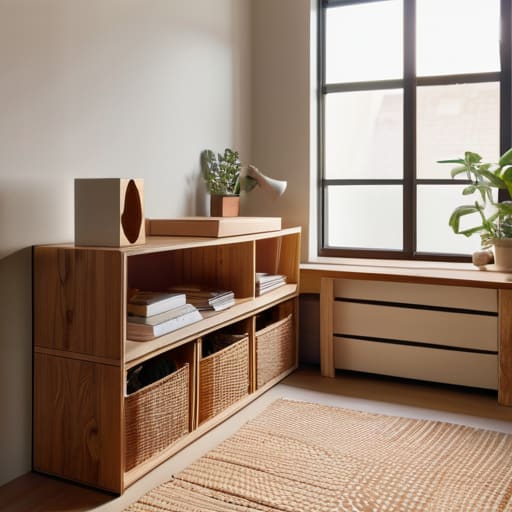
At the end of the day, organizing a small space isn’t about buying every aesthetic bin you see on social media; it’s about strategic utility. We’ve looked at how aggressive decluttering clears the mental fog and how leveraging your vertical real estate turns a cramped studio into a functional home. When you stop fighting your floor plan and start working with it, you stop feeling like a guest in your own apartment. Remember, the goal isn’t to have a showroom—it’s to create a system that actually works for your specific daily routine without requiring constant maintenance.
I know it feels overwhelming when you’re staring at a mountain of stuff in a room that feels too small to breathe in. But I promise you, progress happens in the small, repeatable wins. Start with one shelf, one drawer, or one corner of the room. You don’t need a massive renovation or a huge budget; you just need the discipline to choose function over clutter. Once you strip away the excess, you’ll find that you haven’t just organized a room—you’ve reclaimed the mental clarity you need to actually enjoy your life. Now, put down the phone, grab that notebook, and start where you are.
Frequently Asked Questions
How do I organize a tiny kitchen without it looking like a cluttered warehouse?
The secret is to stop treating your counters like a storage unit. If it doesn’t get used every single day, it shouldn’t live on the counter. I use magnetic knife strips and a heavy-duty pegboard to get tools off the workspace and onto the walls. It keeps the visual noise down and the workflow clean. Think of your kitchen as a cockpit: everything needs a dedicated home, and nothing stays out unless it’s actively in use.
Are there any specific types of furniture I should avoid if I'm trying to maximize floor space?
Avoid anything with “visual weight.” Think bulky, overstuffed sofas or heavy, dark wooden coffee tables that act like anchors, swallowing your floor. They make a small room feel cramped and claustrophobic. Instead, look for furniture with exposed legs—mid-century modern styles are perfect for this. Being able to see the floor extending underneath your pieces tricks the eye into thinking the room is larger. If it blocks your line of sight, it’s killing your space.
How do I stop the clutter from creeping back in once I've finally gotten everything organized?
The “rebound effect” happens because we treat organization like a one-time project instead of a maintenance cycle. To stop the creep, you need a closed-loop system. I use a “one-in, one-out” rule for everything—if a new gadget comes in, an old one leaves. Most importantly, spend ten minutes every Sunday night resetting your surfaces. Don’t let the chaos build up; nip it in the bud before it becomes a mountain.