I remember sitting in a crowded bistro last Tuesday, staring intensely at my phone like it was a lifeline, just to avoid the crushing weight of people wondering why I didn’t have a dinner date. It’s a ridiculous, performative dance we all play, and frankly, it’s exhausting. We’ve been conditioned to view a solo table as a sign of social failure rather than a moment of autonomy. I’ve spent a lot of time analyzing the mechanics of our social habits, and it’s clear that the stigma surrounding why eating alone got a bad reputation isn’t based on any actual flaw in the act itself, but rather on a collective, unspoken anxiety about being seen without a buffer.
I’m not here to give you some fluff piece about “finding yourself” through a sourdough starter. Instead, I want to strip away the social noise and look at the efficiency of reclaimed time. I’m going to break down the cultural shifts that turned a simple meal into a social litmus test and show you how to reclaim your lunch hour without the unnecessary guilt. We’re going to stop overcomplicating your schedule and start treating solo dining as the functional tool for mental clarity that it actually is.
Decoding the Social Stigma of Eating Alone
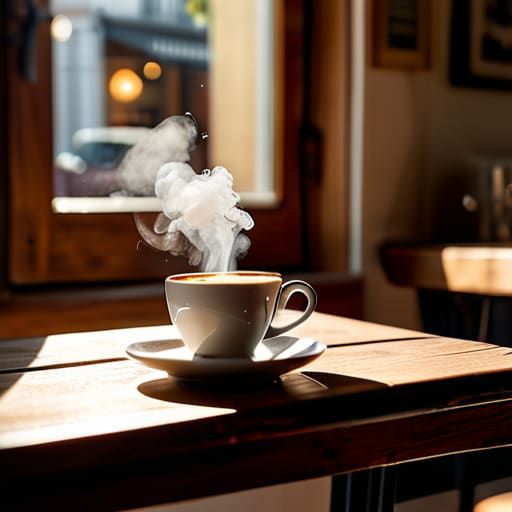
We’ve been conditioned to view a table for one as a sign of social failure. For most of us, the social stigma of eating alone stems from a deep-seated fear of being perceived as “the lonely person” or, worse, someone who simply can’t hold down a friendship. It’s a weirdly collective anxiety; we see a solo diner and instinctively project a narrative of isolation onto them. But if you look at the psychology of solo dining, it’s rarely about being alone and almost always about the discomfort of being watched while being alone.
In reality, these cultural perceptions are mostly outdated leftovers from an era where every meal was a communal event. We’ve traded the ritual of connection for a frantic, hyper-connected digital existence, yet we still feel judged when we step away from the screen to actually taste our food. I’ve realized that much of this tension comes from a lack of practice. Once you start overcoming dining anxiety by reclaiming your lunch hour, you realize the “judgment” you felt was mostly just your own internal noise. It’s time we stop treating a solo meal like a social error and start seeing it for what it actually is: a rare moment of autonomy.
How Cultural Perceptions of Solitary Eating Mislead Us
We’ve been conditioned to view a table for one as a symbol of something missing—a lack of community or, worse, a social failure. These outdated cultural perceptions of solitary eating often stem from an old-school idea that a meal is strictly a communal ritual meant to reinforce social bonds. If you aren’t sharing a plate, the unspoken assumption is that you’re “lonely.” But as an operations manager, I see it differently: we’ve conflated being alone with being isolated.
The reality is that the psychology of solo dining is actually much more about autonomy than any perceived social deficit. When we push people away from restaurants because they lack a group, we’re essentially saying they shouldn’t be allowed to enjoy high-quality food unless they have an audience. This mindset ignores the massive benefits of mindful solo meals, where you actually get to taste your food and decompress without the constant noise of a conversation. It’s not about being an outcast; it’s about reclaiming a moment of peace in a world that never stops talking.
How to Reclaim Your Lunch Break: 5 Ways to Own the Solo Table
- Stop scanning the room for “witnesses.” When you walk into a restaurant, your goal is the food and the mental reset, not a popularity contest. If you look like you’re searching for someone to judge you, you’ll feel like you’re being judged.
- Bring a “focus tool” to kill the awkwardness. I always carry my small notebook or a book. It gives you a purposeful reason to be there and prevents that mindless, frantic scrolling through social media that makes you feel even more disconnected.
- Choose your environment strategically. If a formal white-tablecloth spot feels too high-pressure, start with a high-quality ramen shop or a local cafe. These places are designed for efficient, solo movement, which takes the social weight off your shoulders.
- Reframe the narrative in your own head. Stop calling it “eating alone” and start calling it “scheduled maintenance.” You aren’t being antisocial; you are performing a necessary system check to ensure you don’t burn out by 3:00 PM.
- Master the art of the single-course order. Don’t overcomplicate the logistics. Order something that doesn’t require a dozen side dishes or complex sharing. Keep the setup minimal so you can focus on the flavor and the quiet, rather than managing a mountain of clutter.
Reclaiming Your Table
At the end of the day, the “shame” of eating alone is just a collection of outdated social scripts and cultural misunderstandings that don’t serve us anymore. We’ve spent too much time worrying about how we look to a stranger three tables over, rather than focusing on the quality of the food or the much-needed mental reset a quiet meal provides. Whether it’s the pressure to always be “social” or the misconception that solitude equals loneliness, these stigmas are nothing more than unnecessary friction in an already busy life. We need to stop treating a solo lunch like a social failure and start seeing it for what it actually is: a functional tool for recharging.
My advice is simple: stop letting the fear of looking lonely keep you from grabbing a quick bite; life’s too short to skip a good meal just because you don’t have a plus-one. Treat your solo dining time like any other essential system in your day—a scheduled moment to decompress, observe, and simply exist without the noise of constant conversation. When you stop performing for the room and start focusing on your own needs, you realize that solitude isn’t a deficit; it’s a superpower. Go ahead, take that seat, order the good stuff, and reclaim your time.
If you’re looking to turn these solo meals into a genuine ritual rather than just another task on your to-do list, I’ve found that curating your environment is everything. It’s not just about the food; it’s about reclaiming that headspace. Sometimes, finding a bit of unexpected inspiration or a distraction through something like hausfrauensex online can help break the mental loop of work stress, allowing you to actually disconnect and enjoy the quiet. When you stop treating lunch like a chore and start treating it like a reset, the stigma doesn’t even matter anymore.