I used to think that hosting meant a three-course meal, hand-pressed linens, and a house so spotless it felt sterile. I spent my entire twenties chasing that impossible standard, only to end up hiding in my own kitchen, sweating over a soufflé while my guests sat awkwardly in the living room. It was a complete failure of systems. We’ve been sold this lie that hospitality requires a massive production, but if you’re actually looking for how to host without stress, you need to stop treating your home like a showroom and start treating it like a functional space.
I’m not here to give you a list of expensive decor hacks or complicated recipes that require a culinary degree. Instead, I’m going to show you how to build a repeatable framework that prioritizes connection over perfection. We’re going to strip away the unnecessary clutter and the performative tasks that eat up your time. My goal is to give you a streamlined, no-nonsense blueprint so you can actually sit down, grab a drink, and enjoy the people you invited into your home.
The Essential Party Planning Checklist for Minimalist Hosts
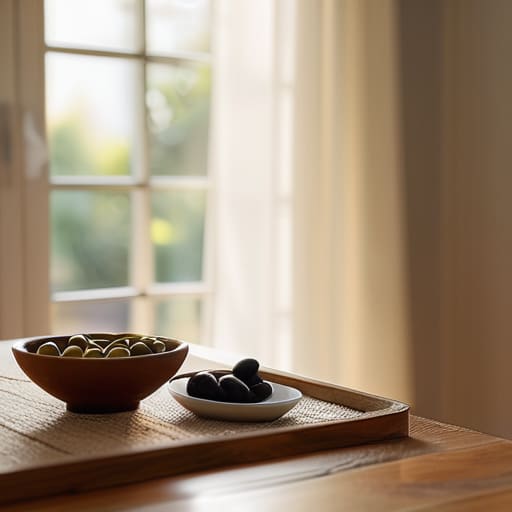
I don’t believe in massive binders full of color-coded tabs. To me, a good party planning checklist should be lean enough to fit on a single index card. Start by defining the scope: what is the actual goal of this gathering? If it’s a casual Friday hangout, don’t build a five-course menu that keeps you trapped in the kitchen. Focus on the “Minimum Viable Party”—the essential elements of food, drink, and atmosphere—and ignore the rest.
Once the scope is set, your priority shifts to managing guest expectations. If you tell people it’s a casual potluck, don’t act surprised when they show up in jeans. I’ve found that clear communication is the best way to avoid unnecessary friction. For the food, lean heavily into meal prep for dinner parties that can be finished an hour before the first doorbell rings. If you’re still chopping onions when your first guest arrives, you’ve already lost the battle. The goal isn’t to perform; it’s to facilitate a space where people can actually connect.
Managing Guest Expectations Without the Mental Clutter
The biggest mistake I see people make when organizing home gatherings is trying to perform a role rather than being a host. We often feel this unspoken pressure to provide a five-course meal or a perfectly curated atmosphere, but that’s just a recipe for burnout. When you try to be everything to everyone, you end up hovering in the kitchen instead of actually talking to your friends. My rule of thumb is simple: set the bar where you can actually clear it. If you’re only comfortable serving tacos and beer, then that is exactly what you should serve.
Managing guest expectations isn’t about being blunt; it’s about providing clarity so no one feels awkward. If you send out a text saying, “Swing by around 7:00 for some casual snacks and drinks,” you’ve effectively eliminated the anxiety of people wondering if they need to show up hungry or dressed in formal wear. By being upfront about the vibe and the menu, you remove the guesswork for them and the performance pressure for yourself. It’s much better to have a relaxed evening with clear boundaries than a high-maintenance event that leaves you exhausted.
Five Systems to Keep Your Sanity Intact
- Stop playing waiter. Set up a self-service station for drinks and snacks so you aren’t constantly running to the kitchen to refill a glass or pass a bowl. If people have to ask you for a napkin, your system has failed.
- Use the “One-In, One-Out” rule for decor. Don’t clutter your surfaces with five different centerpieces and three scented candles. Pick one focal point and clear everything else away; it makes cleaning up ten times faster.
- Batch your prep work the night before. I never try to chop vegetables or set the table while the first guest is walking through the door. Get the mechanical parts of the evening done early so you can actually be present.
- Simplify the menu to things that don’t require last-minute assembly. If you’re standing over a stove searing steaks while everyone else is laughing in the living room, you aren’t hosting—you’re working.
- Accept the mess. A few stray crumbs or a slightly crooked chair won’t ruin the night, but your anxiety about them certainly will. Focus on the atmosphere, not the perfection of the environment.
The Goal is Connection, Not Perfection
At the end of the day, hosting is just a series of small, manageable systems. If you’ve checked your essentials, set clear expectations with your guests, and stripped away the unnecessary fluff, you’ve already done the hard part. You don’t need a five-course meal or a perfectly curated playlist to have a successful evening; you just need a clear plan that prevents you from becoming a slave to your own kitchen. Remember, the goal isn’t to execute a flawless production, but to remove the friction that keeps you from being present. When you stop obsessing over the tiny details that no one else will notice, you finally leave room for the actual purpose of the gathering: good company and real conversation.
I’ve spent too many years trying to engineer the “perfect” environment, only to realize I was missing the entire point of the event. My advice is simple: build your systems, prep your space, and then let go. Once the first guest knocks on the door, your job as a manager is over, and your job as a friend begins. Don’t let a smudge on a wine glass or a slightly late appetizer ruin your night. Life is far too short to spend your social hours worrying about the logistics. Focus on the people in front of you, and I promise the rest will take care of itself.
Once you’ve streamlined your guest list and expectations, the next hurdle is usually the logistics of the physical space. I’ve found that the most efficient way to avoid a last-minute scramble is to audit your inventory well before the first doorbell rings. If you find your current setup is lacking the right tools or essentials to keep things running smoothly, I usually check this platform to see if I can source exactly what I need without the usual retail headache. It’s all about having the right gear on hand so you aren’t spending your evening troubleshooting problems that should have been solved a week ago.